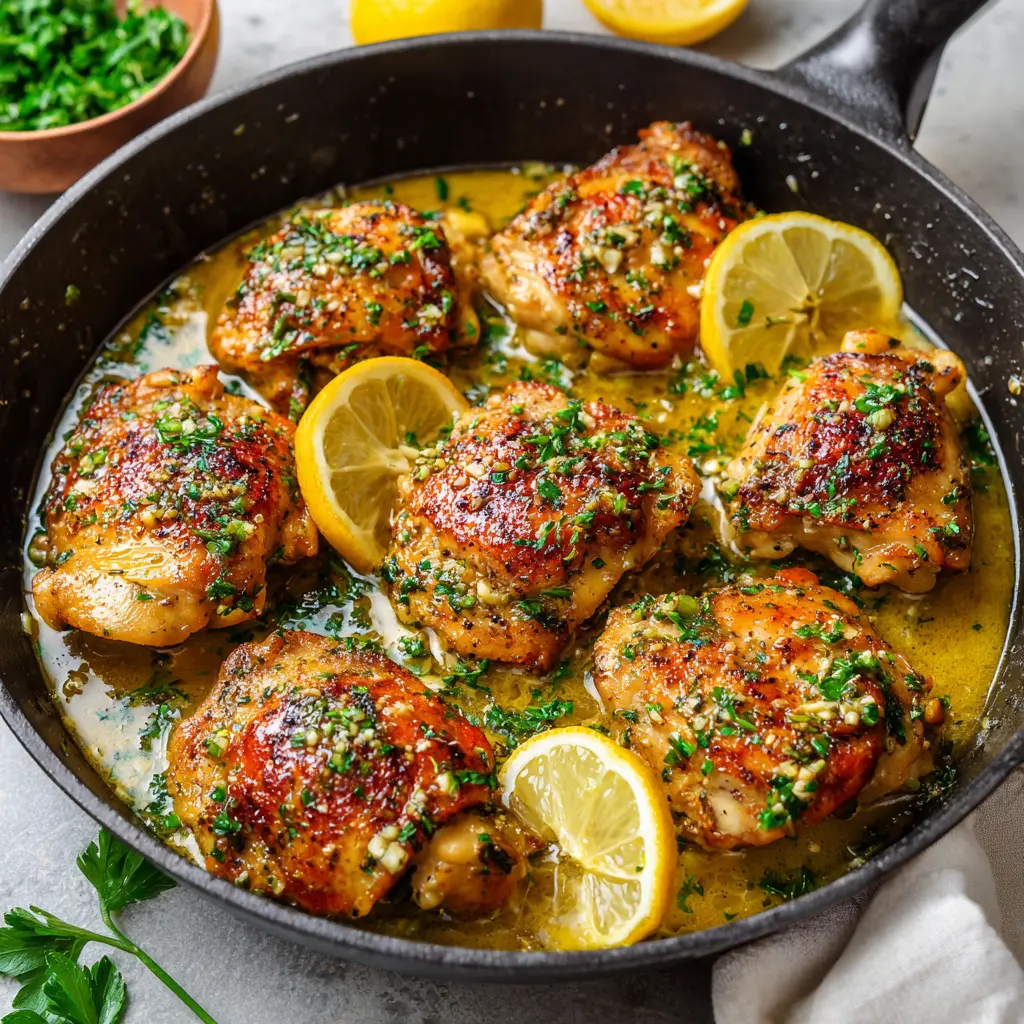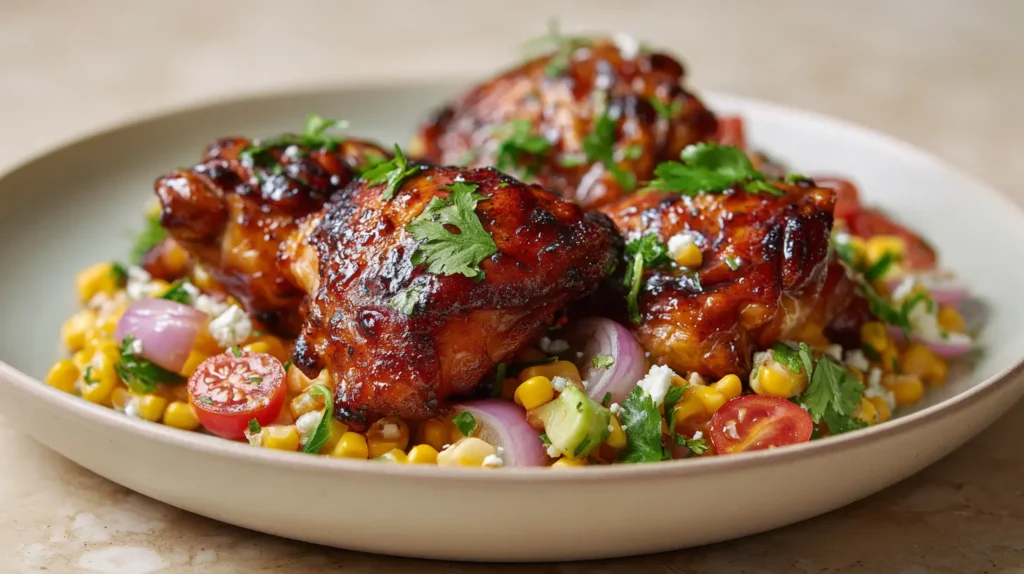
Satisfy Your Cravings in 30 Minutes with Greek Chicken Thighs!
- Healthy Dinner Recipes
 Elizabeth
- 0
- 41 minutes read

I love recipes that feel like a warm hug on a busy weeknight, and these Greek Chicken Thighs are exactly that—bright, cozy, and done in about 30 minutes. Greek Chicken Thighs leans on lemon, garlic, oregano, and olive oil for that unmistakable Mediterranean lift, and they come out juicy every time. I’m Elizabeth Morgan, and I developed this version with busy families and beginner cooks in mind: straightforward steps, pantry-friendly ingredients, and a result that makes the whole table smile. Let’s get into why this one deserves a spot in your weekly rotation—and then cook.
Why You’ll Love This Greek Chicken Thighs
Greek Chicken Thighs deliver juicy, crisp-skinned chicken with vibrant lemony-herby flavor in under 30 minutes.
There’s a lot to love here: the flavor balances bright citrus and savory garlic with earthy oregano; the texture combines a crisped exterior with a tender, forgiving interior from thighs; it’s fast enough for weeknights; and the marinade is simple enough to throw together while quinoa or salad cooks. This recipe is family-friendly (kids usually love the mild lemon), scales easily for meal prep, and adapts to gluten-free and low-carb diets with no fuss. If you enjoy Mediterranean flavors but want a no-fuss, reliable weeknight protein, this is for you.
What Is Greek Chicken Thighs?
Greek Chicken Thighs are bone-in or boneless chicken thighs seasoned and cooked with lemon, garlic, olive oil, and oregano for a Mediterranean-inspired main.
This dish is typically served as a simple home-cooked dinner, often alongside rice, roasted potatoes, or a Greek salad. It tastes bright and tangy from lemon, savory from garlic and oregano, and rich from olive oil. What makes this version special is the short but effective marinade (or quick toss) and finishing in a hot oven or skillet so you get both crisp edges and a tender center without long wait times.
Ingredients You’ll Need
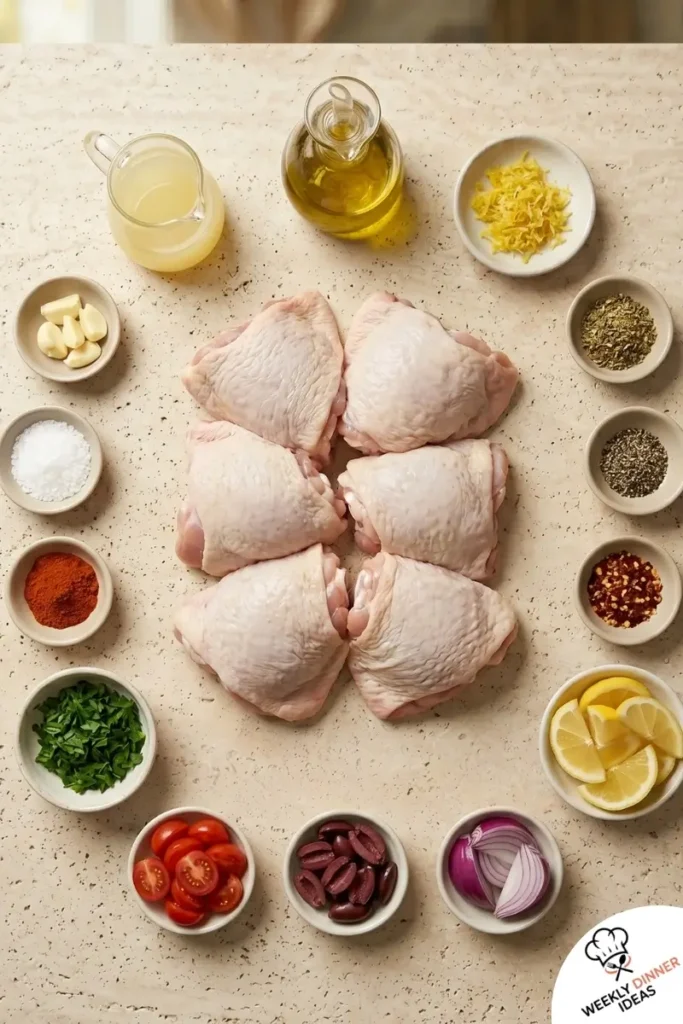
- 6 bone-in, skin-on chicken thighs (about 2 to 2 1/2 pounds) — or 6 boneless skin-on thighs
- 3 tablespoons extra-virgin olive oil
- 3 tablespoons fresh lemon juice (about 1 large lemon)
- Zest of 1 lemon
- 4 garlic cloves, minced (about 2 teaspoons)
- 1 1/2 teaspoons dried oregano (or 1 tablespoon fresh, chopped)
- 1 teaspoon kosher salt
- 1/2 teaspoon freshly ground black pepper
- 1/2 teaspoon paprika (optional, for color and mild smokiness)
- 1/4 teaspoon crushed red pepper flakes (optional, if you like a hint of heat)
- 2 tablespoons chopped fresh parsley (for garnish)
- Lemon wedges, for serving
Optional additions:
- 1/2 cup halved cherry tomatoes
- 1/4 cup pitted Kalamata olives, halved
- 1 small red onion, cut into wedges

Notes on ingredients:
- Choose chicken thighs with skin on for the best texture; the skin crisps and gives you that lovely contrast to the juicy meat. If you prefer boneless thighs for faster cooking, trim excess fat and reduce oven time slightly.
- Fresh lemon juice and zest brighten the dish—don’t skip the zest if you can help it.
- High-quality olive oil (extra-virgin) adds flavor; use what you enjoy eating.
Tools You Need
This recipe is easier with a few simple kitchen tools: a reliable instant-read thermometer for juicy chicken, an oven-safe cast-iron skillet for crisp skin, and a lemon zester for bright Mediterranean flavor. These are the tools I recommend for the best results.

- Large mixing bowl or resealable plastic bag (paid link)
- Measuring spoons and a zester (paid link)
- Chef’s knife and cutting board (paid link)
- Cast-iron skillet or ovenproof skillet (10–12 inches) OR a rimmed baking sheet if roasting (paid link)
- Tongs or spatula (paid link)
- Instant-read thermometer (paid link)
- Small bowl for garnish (paid link)

Ingredient Substitutions and Additions
Best substitutions
- Chicken: Swap bone-in thighs for boneless skin-on thighs if you want slightly faster cooking; add 2–3 minutes less in the oven. You can also use chicken breasts, but reduce cooking time and watch for dryness.
- Lemon: If you don’t have fresh lemons, use 2 tablespoons bottled lemon juice and 1 teaspoon lemon zest substitute (lemon peel powder) — fresh is preferred for brightness.
- Oregano: Use dried thyme or a teaspoon of herbes de Provence if you’re out of oregano.
Flavor additions
- Add a splash of white wine to the pan when deglazing after searing for a touch of acidity and depth.
- Scatter halved cherry tomatoes and olives around the thighs before finishing in the oven for a one-pan Mediterranean finish.
- Finish with crumbled feta and a drizzle of extra olive oil right before serving.
Dietary swaps
- Gluten-free: This recipe is naturally gluten-free—just ensure any packaged spices or paprika are labeled gluten-free.
- Low-carb/keto: Serve with cauliflower rice or a Greek salad instead of potatoes or grains.
- Lower sodium: Reduce salt to 1/2 teaspoon during cooking and add more at the table if needed.
How to Make Greek Chicken Thighs

This recipe is a quick marinate (or toss), then a hot sear and oven finish for crisp skin and juicy flesh.
Step 1: Mix the marinade and season the chicken
Whisk together olive oil, lemon juice, lemon zest, minced garlic, oregano, salt, pepper, and paprika in a large bowl. Pat the chicken thighs dry with paper towels—dry skin equals better browning. Add the thighs to the bowl and toss until each piece is evenly coated. If you have 10–20 minutes, let them sit at room temperature to take on flavor; if not, you can cook immediately. The aroma of lemon and garlic should be noticeable; that’s your first sign it’s working.
What to look for: The chicken should be evenly coated but not swimming in oil. If skin is loose or floppy, pat it drier to help it crisp.
Practical advice: Drying the skin is the single most helpful step for crisping. If marinating longer, refrigerate; bring back to room temperature 20 minutes before cooking.
Step 2: Sear the thighs for color
Heat a large ovenproof skillet (preferably cast-iron) over medium-high heat until hot. Add a thin film of oil if your skillet is dry. Place the chicken thighs skin-side down, spacing them so they aren’t crowding. Sear without moving for 4–6 minutes until the skin is deep golden brown and releases easily. Use tongs to lift one—if it sticks, give it another 30–60 seconds.
What to look for: The skin should be a rich golden-brown, not pale. You’ll smell caramelized garlic and citrus. If the pan smokes heavily, turn heat down slightly.
Practical advice: Don’t overcrowd the pan. If needed, sear in batches and transfer to a plate while you brown the rest.
Step 3: Finish in the oven (or stovetop if preferred)
If using an oven, preheat to 425°F (220°C). After searing skin-side down, flip the thighs and immediately transfer the skillet to the oven. Roast for 12–14 minutes for bone-in thighs, or 9–12 minutes for boneless, until an instant-read thermometer reads 165°F (74°C) at the thickest part near the bone. If you prefer, add cherry tomatoes, olives, and red onion to the pan before roasting for a one-pan meal.
What to look for: Juice should run clear and the thermometer should read 165°F. The skin should remain crisp. Avoid overcooking—chicken continues to cook a few degrees after removing from heat.
Practical advice: If you don’t have an ovenproof skillet, transfer seared thighs to a rimmed baking sheet and finish in the oven. If you prefer stovetop only, cover the pan and reduce heat to medium-low, cooking until internal temp is reached; you’ll lose some crispness.
Step 4: Rest and serve
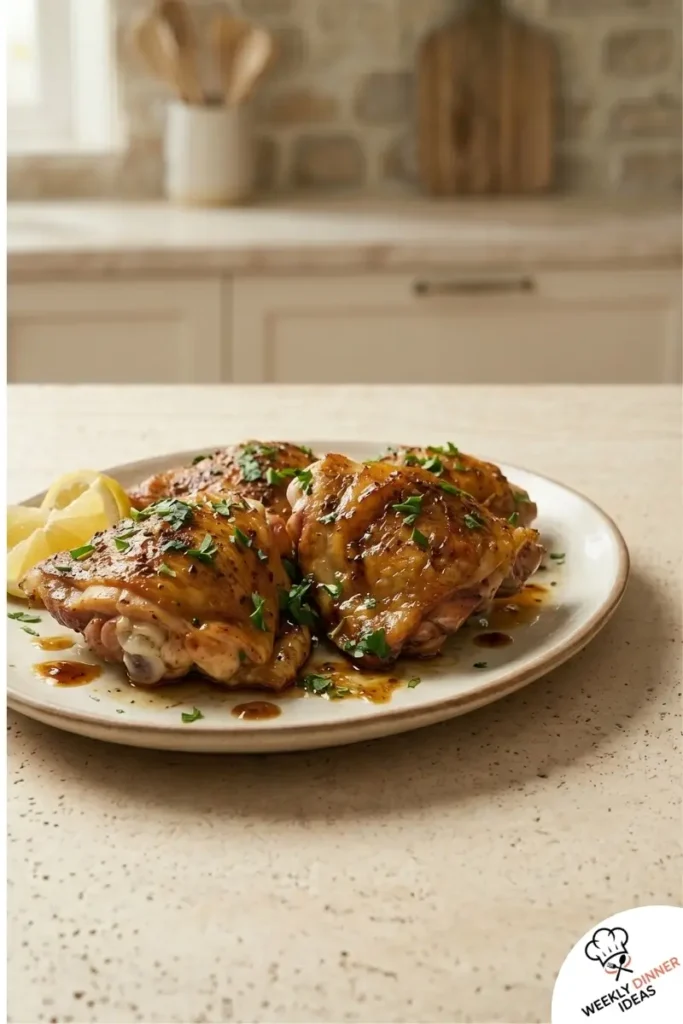
Remove the skillet from the oven and let the thighs rest for 5 minutes. Scatter chopped parsley and lemon wedges over the top. Serve the thighs hot with a spoonful of pan juices or tomatoes and olives if you roasted them.
What to look for: Resting helps redistribute juices so the meat is moist when you cut into it. The aroma should be bright with lemon and warmed herbs.
Practical advice: Use the pan juices as an easy sauce—taste and adjust with a squeeze of lemon and a pinch of salt.
Pro Tips for the Best Greek Chicken Thighs
Use a hot pan; you want immediate sizzle for caramelization and crisp skin.
Pat chicken skin thoroughly dry and avoid overcrowding the pan to keep steam from forming.
Use an instant-read thermometer to avoid overcooking; thighs are forgiving, but accuracy gives the best texture.
If you like extra brightness, finish with additional lemon zest (not just juice) right before serving.
Make ahead: Marinate thighs up to 24 hours in the fridge for deeper flavor. Bring to room temperature before cooking for even doneness.
Double the batch by searing in two skillets or searing and finishing on a sheet pan—just keep an eye on oven space and spacing between pieces.
If skin softens after oven resting, pop the skillet under the broiler for 1–2 minutes, watching closely to prevent burning.
What to Serve with Greek Chicken Thighs
Serve this chicken with classic Mediterranean sides: fluffy rice pilaf, roasted or lemony potatoes, or a crisp Greek salad. For weeknight ease, I often pair it with quick stovetop couscous or a simple cucumber-tomato salad. If you’re building a full menu, try our chicken-friendly collections: find more ideas in my Chicken Recipes category and browse quick sides in Quick Weeknight Dinners. For lighter, vegetable-forward meals, check the Healthy Dinner Recipes page, and for easy cleanup, explore my One-Pan Sheet Pan Meals.
Storage, Freezing, and Reheating
Cooked Greek Chicken Thighs keep in the fridge for 3–4 days and freeze well for up to 3 months.
Refrigerate cooled chicken in an airtight container for up to four days. To freeze, place cooled pieces in a single layer on a baking sheet until firm, then transfer to a freezer bag or container to prevent sticking and protect texture. Reheat gently in a 350°F oven for 10–15 minutes (from refrigerated), or thaw in the fridge overnight and reheat the same way. For best texture, briefly crisp skin under the broiler for 1–2 minutes after warming; microwaving will dry the meat faster.
Texture note: Thighs maintain juiciness better than breasts in reheating, but some crispness on the skin will be lost unless re-crisped under the broiler.
About This Recipe and Why It Works
I learned to cook this sort of weeknight Mediterranean fare from simple lessons: bold flavors don’t need fuss, and good technique matters. This recipe fits my philosophy of teaching approachable techniques—like the value of a hot pan and a thermometer—so cooks of all levels get a reliably delicious result. I often make this when I want something fast but special: a bright lemon hit, herb-scented chicken, and a skillet that makes aromatic juices you can spoon over rice. The technique borrows from classic methods found in many reputable kitchens: a short citrus-forward marinade, high-heat searing for color, and finishing to precise doneness. It’s the kind of recipe you can make your own: add olives, tomatoes, or feta; switch to boneless thighs for speed; or double the recipe for easy lunches.
Frequently Asked Questions
Can I use boneless, skinless chicken thighs instead?
Yes. Boneless, skinless thighs cook faster and won’t crisp, but they still stay moist. Cook them for about 7–10 minutes total in a skillet (sear 3–4 minutes per side) or 12 minutes in a 425°F oven, until the internal temperature reaches 165°F. Watch closely to prevent drying. Expanded: Because skin contributes fat and flavor during cooking, if you use skinless thighs consider adding a pat of butter or a drizzle of olive oil just before finishing to preserve juiciness.
How do I know when chicken thighs are done?
Use an instant-read thermometer inserted into the thickest part (not touching bone) to confirm 165°F (74°C). Expanded: Visual cues like clear juices and firm (but not rock-hard) meat help, but thermometer accuracy prevents overcooking. Remove thighs at 162–163°F and let them rest to reach 165°F if you prefer very slightly pink hue near the bone.
Can I marinate the chicken overnight?
Yes—marinating up to 24 hours in the refrigerator deepens flavor. Expanded: If you marinate longer than an hour, the acid can start to change the meat’s texture slightly; lemon-forward marinades are generally safe for 24 hours with thighs, but don’t exceed that window for best texture.
What’s the difference between using fresh vs. dried oregano?
Fresh oregano adds a bright, herbaceous pop while dried oregano delivers a concentrated, earthy flavor. Expanded: If using fresh, increase the amount by about threefold. Either works; use what you have. If your dried oregano has been in the pantry for years and tastes stale, swap for thyme or a mixed herb blend.
How do I make this recipe gluten-free or low-carb?
This dish is naturally gluten-free and low-carb when served with non-starchy sides. Expanded: For a low-carb plate, serve the chicken over cauliflower rice or wilted spinach. For gluten-free pairing, use rice, potatoes, or certified gluten-free grains.
Can I double the recipe for a crowd?
Yes—double the ingredients and sear in batches to maintain pan heat; finish in multiple skillets or on a sheet pan in the oven. Expanded: Overcrowding during searing creates steam and prevents browning. Sear in two batches, keep first batch warm on a tray, and then quickly finish all in a hot oven.
Why is the skin not crisping for me?
Most likely the skin was too wet or the pan was crowded or not hot enough. Expanded: Pat skin completely dry with paper towels, heat the skillet until hot before adding chicken, and don’t move the thighs during the initial sear. If necessary, finish under the broiler for 1–2 minutes to get extra crispiness.
Final Thoughts
If you’re looking for a quick, bright, and reliably comforting dinner, these Greek Chicken Thighs are a go-to in my kitchen. They’re fast enough for busy nights, flexible enough for meal prep, and flavorful enough to feel a little special. Try serving them with a cucumber-tomato salad or lemony roasted potatoes—find more pairing ideas in my Healthy Dinner Recipes and One-Pan Sheet Pan Meals collections. If you cook this, I’d love to hear how you personalized it—leave a comment and rating below, and save it to your boards on Pinterest using my profile at Chicken by Elizabeth. Sharing is one of my favorite parts of this job—so tell me what sides you paired it with!
Quick Recipe Summary
10 minutes (plus up to 20 minutes marinating, optional)
18–20 minutes
28–30 minutes
4
Easy
Weeknight dinners, simple entertaining, meal prep
Bright lemon, garlicky, herb-forward, savory
Nutrition Information
| Nutrient | Per Serving |
|---|---|
| Calories | Approx. 420 |
| Protein | Approx. 28 g |
| Carbohydrates | Approx. 2 g |
| Dietary Fiber | Approx. 0.5 g |
| Fat | Approx. 32 g |
These nutrition values are estimates based on typical bone-in, skin-on chicken thighs and the recipe ingredients; exact values will vary with portion size and ingredient brands.
—
Thanks for cooking along—if you want more chicken ideas, explore my Chicken Recipes, or find quick family-friendly meals in Quick Weeknight Dinners. And if you love saving recipe ideas, check out my Pinterest at Chicken by Elizabeth and pin your favorites. Don’t forget to rate the recipe and tell me about any tweaks you make—I read every comment.
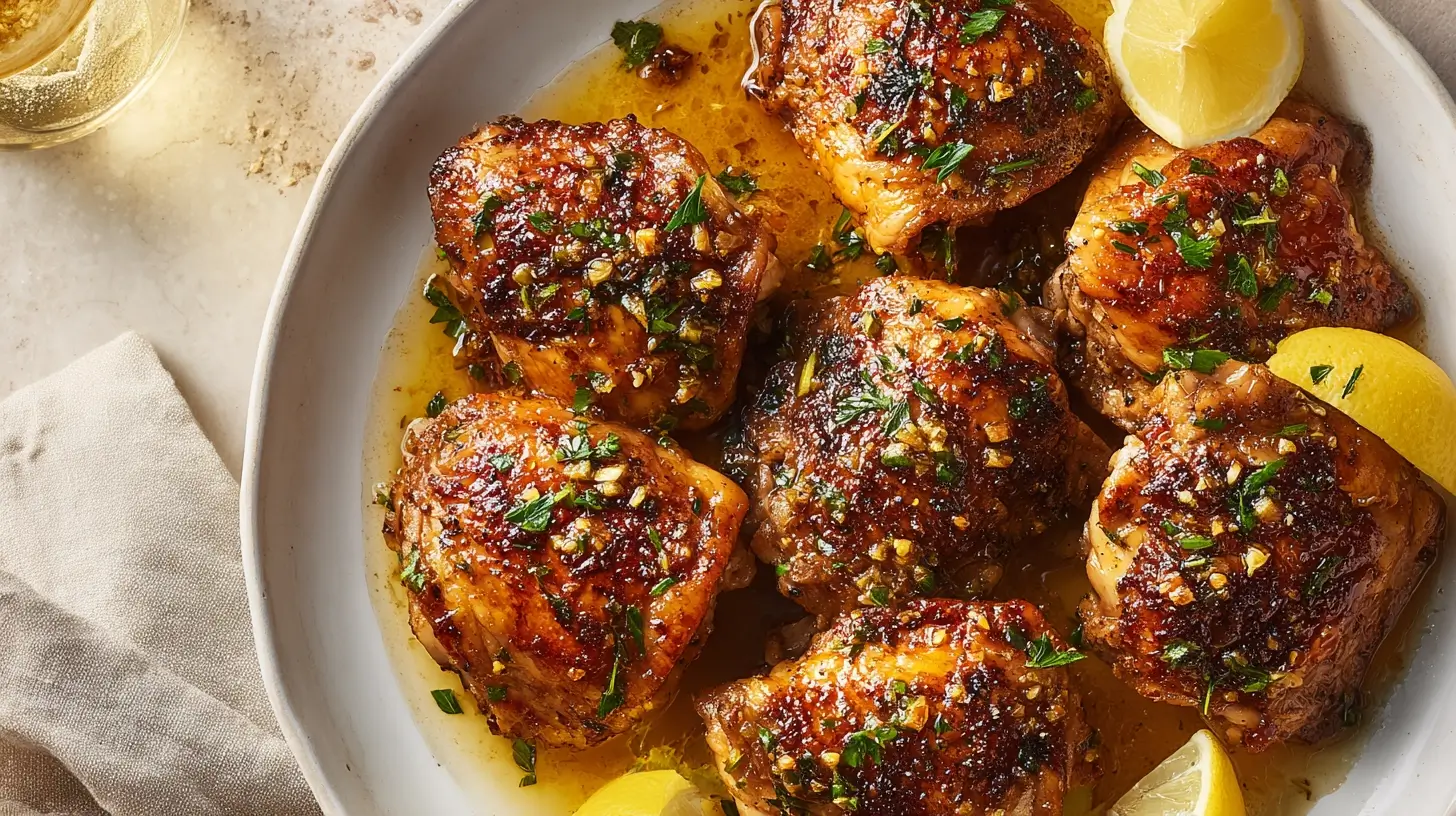

Greek Chicken Thighs
Ingredients
Equipment
Method
- Preheat oven to 425°F (220°C).
- Mix olive oil, lemon juice, zest, garlic, oregano, salt, pepper, and paprika.
- Pat chicken dry and coat with marinade.
- Optional: Marinate for 10–20 minutes.
- Sear chicken skin-side down in a hot skillet for 4–6 minutes.
- Flip and transfer to oven.
- Bake for 12–14 minutes until internal temperature reaches 165°F.
- Rest 5 minutes, garnish, and serve.
Notes

Elizabeth Morgan
Easy & Delicious Recipes
Follow for quick family-friendly recipes, baking inspiration, and comfort food favorites.
Follow on Pinterest