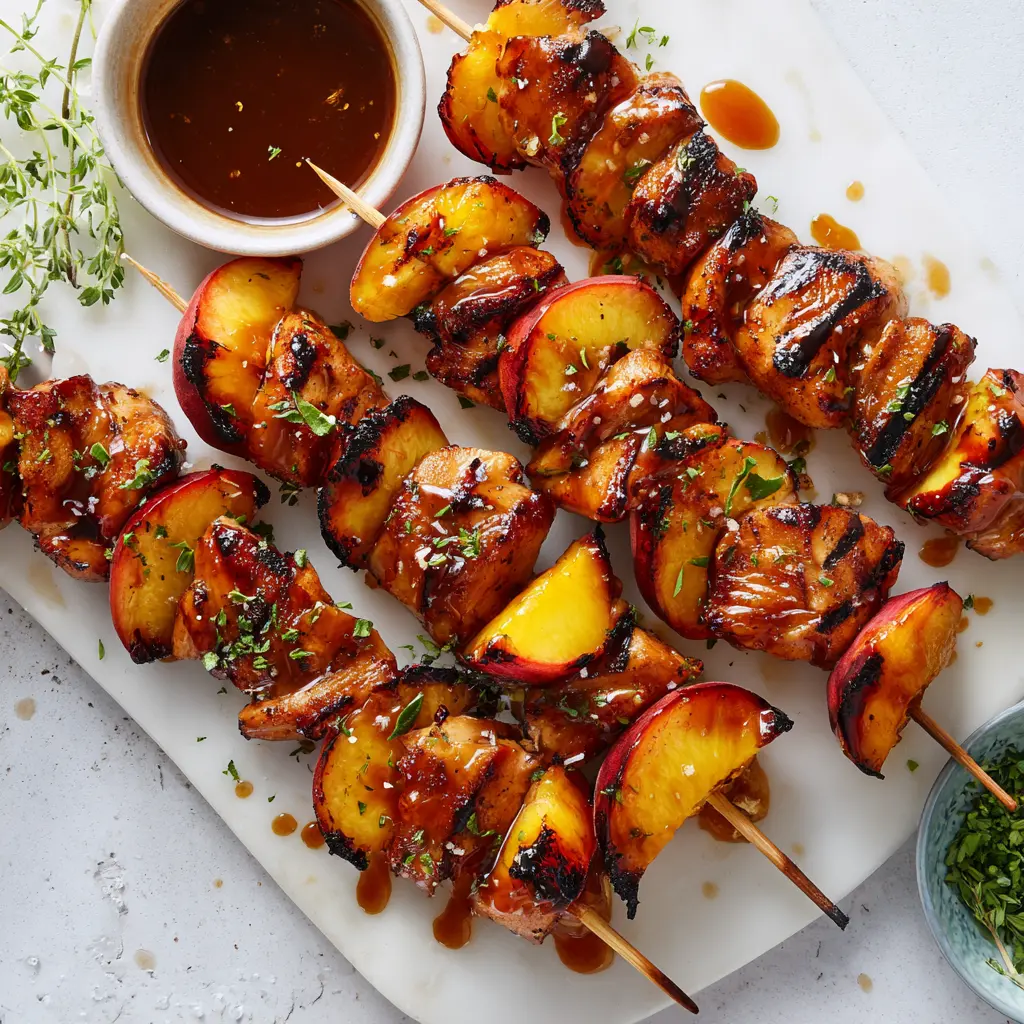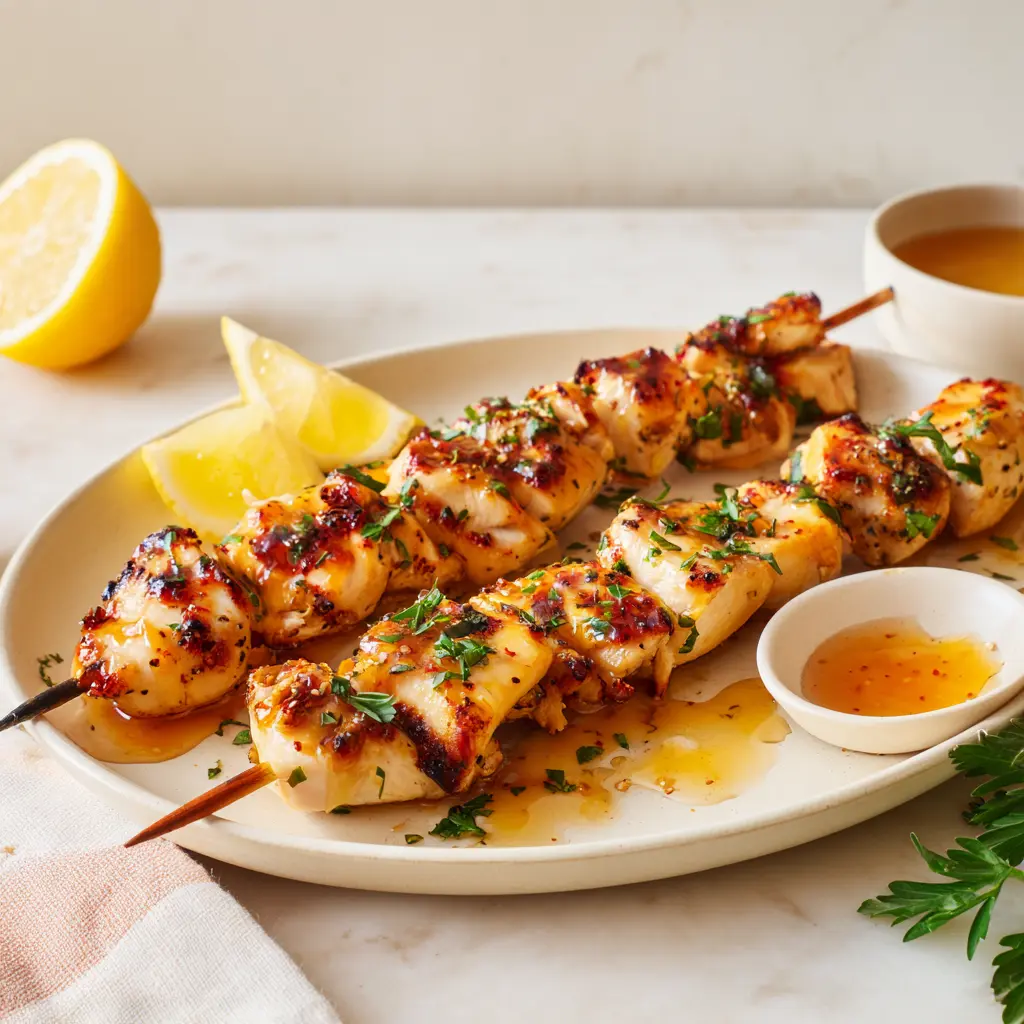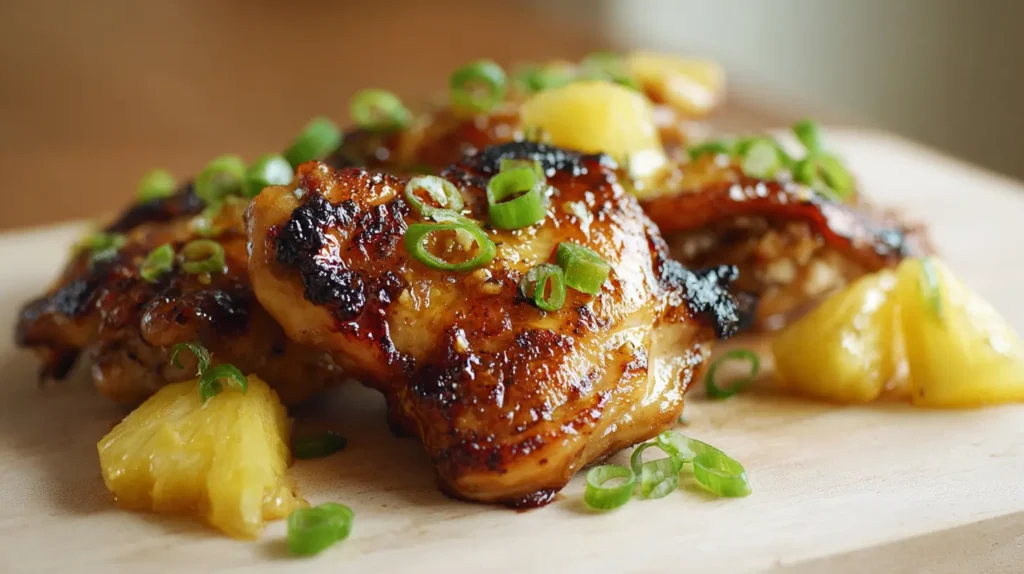
Discover the Irresistible Dill Pickle Chicken Skewers Everyone Loves!
- Quick Weeknight Dinners
 Elizabeth
- 0
- 38 minutes read
I love a recipe that starts with something simple and ends up feeling like a little celebration on a stick—and these Dill Pickle Chicken Skewers do exactly that. Ever since I first tossed bite-sized chicken pieces into a tangy pickle-brine marinade, they’ve become my go-to quick dinner when the weather leans toward grilling and the family wants something with a bright, briny spark. Dill Pickle Chicken Skewers are lively, easy to prep, and forgiving—perfect for weeknights, backyard barbecues, or packing into lunchboxes. Let’s walk through why they work, what you’ll need, and every step to get them tender, flavorful, and slightly charred just right.
Why You’ll Love This Dill Pickle Chicken Skewers
Dill Pickle Chicken Skewers deliver bright, savory pickle flavor with juicy chicken and a little char—exactly what you want in an easy summer protein.
You’ll love these skewers because they balance tang and savory in a very playful way. The pickle juice tenderizes the meat while infusing it with sour-salty notes; a splash of olive oil and a smear of Dijon help coat the chicken for even caramelization on the grill or under the broiler. Texture-wise, small pieces of thigh or breast sear quickly and stay juicy, with the char adding smoky contrast. They’re convenient to marinate ahead, kid-friendly (the tang can be dialed back), and quick to cook—ideal for busy weeknights or when you want something different from plain grilled chicken. They also travel well for picnics and are easy to double or halve for meal prep. If you keep dill pickles and pickle juice in your fridge, this becomes a go-to “use-what-you-have” recipe.
What Is Dill Pickle Chicken Skewers?
Dill Pickle Chicken Skewers are marinated chicken pieces threaded onto skewers and grilled or broiled, with the marinade built around dill pickle juice for tangy, briny flavor.
This dish typically uses boneless chicken (thighs or breasts) cut into cubes and soaked in dill pickle brine plus aromatics. The pickle juice both seasons and slightly tenderizes the meat, and a quick sear locks in juices while giving a pleasant char. People serve these skewers at backyard barbecues, casual dinners, and summer gatherings—any time you want bright, punchy flavor without fuss. This version keeps the seasoning simple so the pickle notes shine, with optional add-ins like chopped pickles or fresh dill if you want a stronger pickle profile.
Ingredients You’ll Need
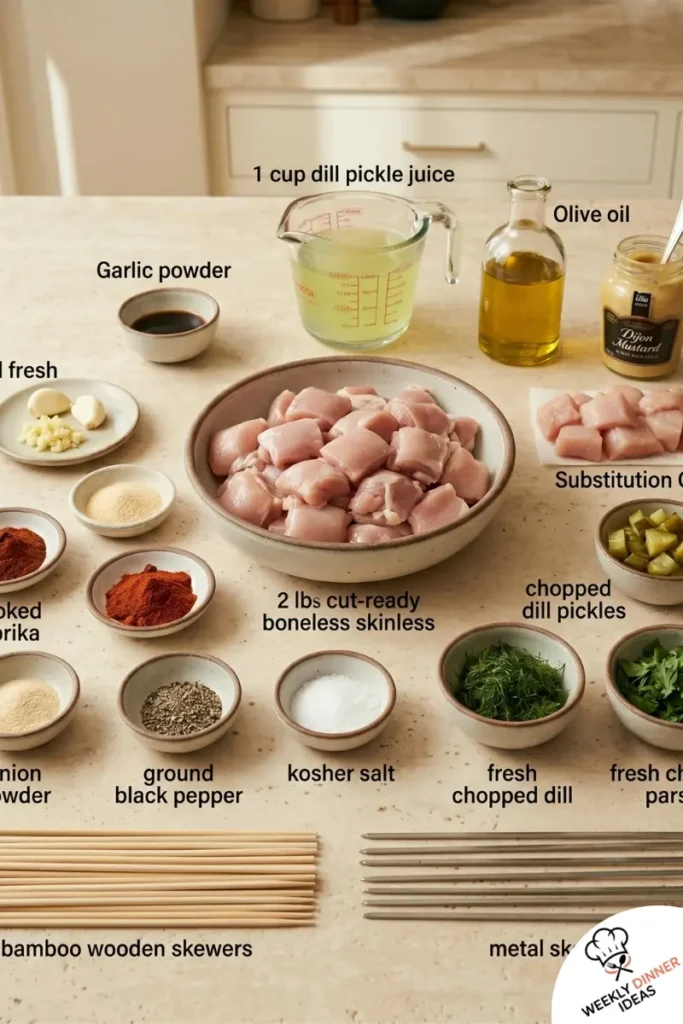
- 1 1/2 to 2 pounds boneless, skinless chicken thighs (or breasts), cut into 1–1½-inch pieces
- 3/4 to 1 cup dill pickle juice (from a jar of dill pickles)
- 2 tablespoons olive oil
- 1 tablespoon Dijon mustard
- 2 cloves garlic, minced (or 1 teaspoon garlic powder)
- 1 teaspoon smoked paprika (or regular paprika)
- 1 teaspoon onion powder
- 1/2 teaspoon ground black pepper
- 1/4 to 1/2 teaspoon kosher salt, optional (pickles are salty; taste first)
- 2 tablespoons chopped fresh dill or parsley (optional, for finishing)
- 8–10 wooden or metal skewers
- 1/2 cup chopped dill pickles (optional topping)
A note on the ingredients: the pickle juice is the star here—use the juice from a good jar of dill pickles you enjoy eating. Boneless thighs are forgiving and stay moist if you overcook slightly; breasts can be used, but keep an eye on timing. Dijon helps the marinade cling and gives a subtle tang that plays well with pickle brine. I recommend tasting the pickle juice first before adding extra salt—many commercial pickle jars are already quite salty.
Tools You Need
- Mixing bowl or a resealable plastic bag (paid link)
- Whisk or fork (paid link)
- Cutting board and sharp knife (paid link)
- Skewers (soak wooden skewers for 30 minutes before using) (paid link)
- Grill, grill pan, or broiler-safe baking sheet and broiler (paid link)
- Instant-read thermometer (very helpful) (paid link)
- Tongs or spatula (paid link)
- Plate and foil for resting (paid link)
Ingredient Substitutions and Additions
Best substitutions
- Chicken breasts can replace thighs if you prefer lean meat; shorten the marinade and cooking time slightly.
- Use half white vinegar + water (plus dill) in a pinch if you don’t have pickle juice, but real pickle brine gives the best flavor.
- Olive oil can be swapped with avocado oil or canola oil for higher-heat cooking.
Flavor additions
- Add 1–2 teaspoons honey or brown sugar to the marinade for a sweet-savory contrast.
- Stir in 1 teaspoon mustard seeds or a pinch of crushed red pepper for a bit of heat.
- Add 1 tablespoon Worcestershire sauce or a splash of soy sauce for deeper umami notes (optional).
Dietary swaps
- For gluten-free, ensure mustard and other packaged ingredients are certified gluten-free.
- To make these low-carb/keto, they already fit—skip sugary additions and serve with a green salad.
- For dairy-free, this recipe is naturally dairy-free.
How to Make Dill Pickle Chicken Skewers
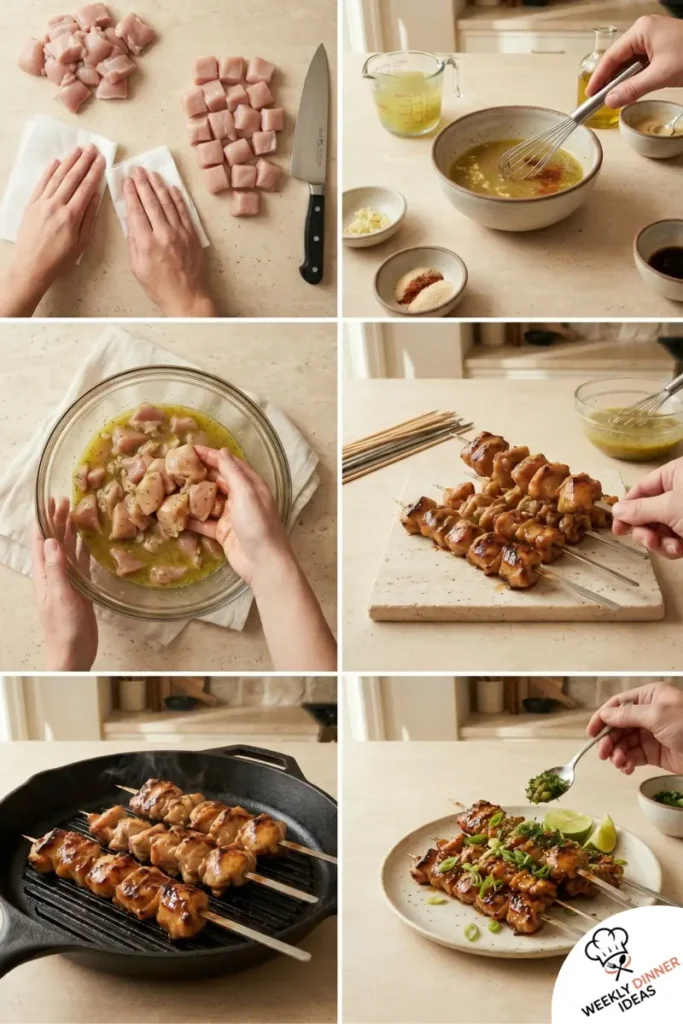
These skewers are quick: marinate, thread, then grill or broil until the chicken reaches 165°F. The pickle juice both flavors and helps tenderize, so even a short marinate improves the result.
Step 1: Prepare and marinate the chicken
Cut the chicken into 1–1½-inch cubes so pieces cook evenly. In a bowl or large resealable bag, whisk together 3/4 cup dill pickle juice, 2 tablespoons olive oil, 1 tablespoon Dijon mustard, minced garlic, smoked paprika, onion powder, and black pepper. Taste the marinade—if the pickle juice seems very mild, adjust with another tablespoon; if it’s very salty, skip adding extra salt. Add the chicken, press out excess air (if using a bag), and toss to coat. Refrigerate for at least 2 hours; overnight (up to 12 hours) is fine for more pronounced flavor. Don’t exceed 24 hours; the acidity will start to break down the meat too much.
What to look for: the chicken should be evenly coated and have a slightly glossy sheen from the oil and mustard. The meat will smell tangy—this is normal. If pieces start to feel mushy after very long marinating, that’s a sign the acid has gone too far.
Step 2: Thread the skewers
If using wooden skewers, soak them for at least 30 minutes to prevent burning. Thread chicken pieces onto skewers, leaving a small space between pieces for heat circulation. For variety, alternate chicken with small wedges of red onion or bell pepper if you like vegetables on the skewer (optional).
What to look for: aim for uniform pieces and spacing so every bite cooks at the same rate. Don’t pack pieces tightly—air gaps let the surface brown.
Step 3: Grill or broil the skewers
Preheat your grill to medium-high (about 400–450°F) or set your oven broiler on high with a rack about 6 inches from the heat. For the grill, oil the grates lightly. Place skewers on the hot grill and cook about 3–5 minutes per side, rotating until you get light char marks. Total grilling time is usually 8–12 minutes depending on size and heat. If broiling, arrange skewers on a foil-lined baking sheet and broil 4–6 minutes per side, watching closely for flare-ups and burn spots.
What to look for: golden-brown edges and a little char where the meat touched the grates. Use an instant-read thermometer to check the thickest piece—remove at 165°F. If you prefer slightly juicier chicken, pull them off at 160°F and tent with foil for 5 minutes; carryover heat will finish the cooking.
Step 4: Rest and finish
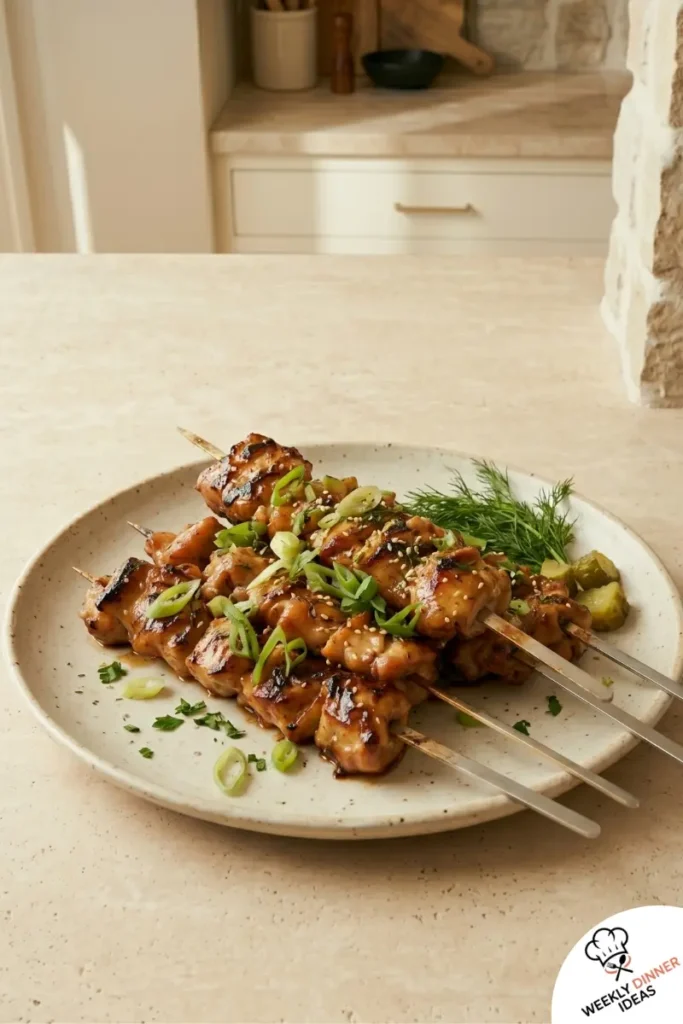
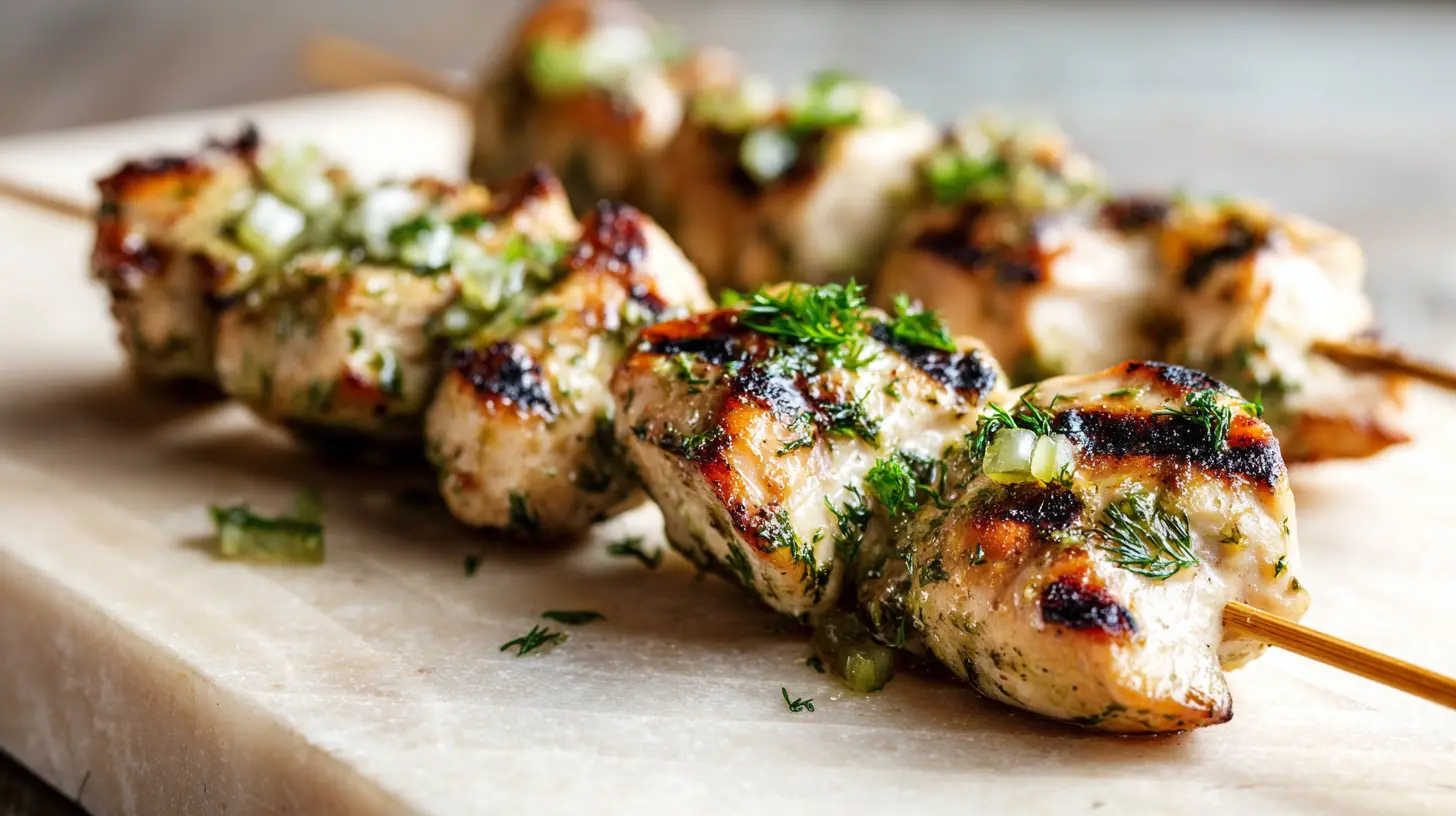
Transfer cooked skewers to a plate and let rest 5 minutes. Sprinkle with chopped fresh dill or parsley and scatter chopped dill pickles over the top if you like extra crunch and pickle flavor. Serve warm.
What to look for: the juices should run clear when you slice into a piece. Resting helps those juices redistribute so each bite is moist.
Pro Tips for the Best Dill Pickle Chicken Skewers
A short, practical list to make these skewers sing.
- Marinate at least 2 hours. A quick 30-minute soak won’t hurt, but the brine needs time to season and tenderize the meat.
- Use thighs for forgiving texture. Boneless, skinless thighs handle slightly longer cooking without drying out.
- Watch the salt. Taste the pickle juice before adding extra salt—the jar often provides enough sodium.
- Don’t overcrowd skewers. Leave tiny gaps between pieces so heat circulates and caramelization happens evenly.
- Preheat the grill or broiler well. A hot surface creates a quick sear that locks in juices and adds flavor.
- Use an instant-read thermometer. Visual cues can be misleading—165°F is the safe target for poultry.
- Double the marinade but reserve some before adding chicken if you want to use it as a sauce. Once chicken sits in marinade, discard it to avoid cross-contamination.
- Make-ahead: marinate the chicken up to 12 hours ahead and store covered in the fridge; thread and cook when ready.
What to Serve with Dill Pickle Chicken Skewers
These skewers have a bold, tangy flavor that pairs well with simple sides and classic picnic flavors. For a crunchy, cooling contrast, serve them with a crisp cabbage slaw or cucumber-dill salad. Roasted new potatoes or a creamy potato salad are classic companions for a hearty meal. For lighter plates, try a lemony quinoa salad or a simple green salad with a vinaigrette to cut through the brine.
If you’re building a weeknight dinner around these, you’ll find similar crowd-pleasers in my chicken collection like the recipes on the chicken page—check more ideas at Weekly Dinner Ideas’ chicken recipes category . For quick complements and weeknight inspiration, my quick weeknight dinners page has easy sides that pair well. If you want a one-pan meal that includes vegetables, take a look at sheet-pan options . And for lighter, vegetable-forward sides, my healthy dinners section is full of ideas.
Storage, Freezing, and Reheating
Store cooked skewers in the refrigerator in an airtight container for up to 3–4 days. For longer storage, remove the meat from skewers and freeze in a freezer-safe bag or container for up to 3 months. Reheat gently in a 325°F oven until warmed through, or slice and pan-sear briefly over medium heat to regain some crispness; avoid high heat which can dry the meat.
When reheating from frozen, thaw in the refrigerator overnight first for best texture. Note that the pickle flavor may mellow over time in the fridge; brightening with a squeeze of lemon or a few fresh chopped pickles helps revive the taste.
About This Recipe and Why It Works
I created this recipe out of a desire to take two pantry staples—pickles and chicken—and turn them into a small, joyful plate that travels well from picnic basket to weeknight table. As a professionally trained chef, I love techniques that do a lot with little: pickle juice acts as both seasoning and tenderizer, Dijon binds the marinade, and short, high-heat cooking delivers that satisfying char without drying the meat. This approach reflects the Weekly Dinner Ideas philosophy: accessible techniques, bold flavor, and recipes that respect real life—busy schedules, family tastes, and limited time. Over the summers I test this on my own family and neighbors, and the version I’m sharing here keeps the seasoning intuitive, adaptable, and reliable. Small touches—like finishing with fresh dill or chopped pickles—make it feel special without adding fuss.
Frequently Asked Questions
Can I use chicken breasts instead of thighs?
Yes. Chicken breasts work if you prefer leaner meat; cut into similar-sized pieces and reduce marinating time slightly (2–6 hours is ideal). Watch cooking time closely—breast pieces will cook faster and dry out sooner than thighs. Use an instant-read thermometer and remove at 165°F.
How long should I marinate the chicken in pickle juice?
Marinate at least 2 hours for noticeable flavor and some tenderizing. Up to 12 hours is fine; avoid going beyond 24 hours because the acid can break down the meat’s texture and make it mushy. If short on time, even 30 minutes adds brightness.
Are these skewers safe to eat after marinating in pickle juice?
Yes—marinating in pickle juice is safe, but discard the used marinade after removing the raw chicken. Do not reuse the marinade as a sauce unless you boil it for several minutes to eliminate bacteria.
Can I make these in the oven instead of on a grill?
Absolutely. Broil on high with the rack 6 inches from the heat for 4–6 minutes per side, or bake at 425°F for about 12–15 minutes, flipping halfway. Broiling gives a closer result to grilled char; baking is gentler and more hands-off. Always check internal temperature.
What temperature should the chicken reach?
Cook chicken to an internal temperature of 165°F in the thickest part for safety. If you prefer to pull it slightly earlier for juicier meat, remove at 160°F and tent the skewers with foil for 5–6 minutes to let carryover heat finish the cooking.
Can I make these ahead for a party?
Yes—marinate the chicken up to 12 hours in advance and thread on skewers the morning of your event. Store covered in the refrigerator and grill just before serving for best texture. You can also cook them ahead and reheat gently in a low oven (325°F) when guests arrive.
How can I reduce the saltiness if my pickles are very salty?
If the pickle juice tastes very salty, dilute it with a little water (start with a tablespoon at a time) until it’s balanced. Skip adding extra salt to the marinade. Finishing with fresh citrus like lemon can also help brighten without increasing salt.
Final Thoughts
These Dill Pickle Chicken Skewers are one of those delightfully simple recipes that make weeknight dinners feel a little more fun and gatherings taste memorable. They’ve earned a spot in my rotation because they’re quick to assemble, bold in flavor, and forgiving in execution—qualities I aim for on Weekly Dinner Ideas. Try serving them with a crisp cabbage slaw from my healthy dinner ideas or pair with easy roasted potatoes from the chicken recipes collection. If you’re short on time, my quick weeknight dinners page has side dishes that come together in minutes .
If you make these, I’d love to see your tweaks—snap a photo and share it on Pinterest . Leave a comment below to tell me whether you used thighs or breasts, added a sweet glaze, or swapped in veggies on the skewers. Please rate the recipe so other cooks can find it, and pin it for later!
Quick Recipe Summary
15–20 minutes (plus marinating time)
8–12 minutes (grill) or 10–12 minutes (broil)
2 hours 30 minutes (including 2-hour marinate) to 12+ hours if marinated overnight
4–6 (depending on appetite and side dishes)
Easy
Weeknight dinners, summer cookouts, potlucks
Tangy, savory, slightly smoky with bright dill notes
Nutrition Information
If exact nutritional data is not available from the trusted sources, these values are estimates.
| Nutrient | Per Serving |
|---|---|
| Calories | Approx. 320 |
| Protein | Approx. 35 g |
| Carbohydrates | Approx. 3 g |
| Dietary Fiber | Approx. 0.5 g |
| Fat | Approx. 18 g |
Thank you for cooking along—these skewers are an easy way to turn pantry staples into something that feels a little special. If you want more chicken ideas, don’t forget to visit my chicken recipes page and save this to your Pinterest board for later . Leave a note below about how yours turned out—I read every comment and love hearing your versions.

Dill Pickle Chicken Skewers
Ingredients
Equipment
Method
- Cut the chicken into 1 to 1 1/2-inch pieces so the skewers cook evenly.
- In a mixing bowl or resealable plastic bag, whisk together dill pickle juice, olive oil, Dijon mustard, minced garlic, smoked paprika, onion powder, and black pepper.
- Taste the pickle juice before adding kosher salt. If the brine is already salty, skip the extra salt or use only a small pinch.
- Add the chicken pieces to the marinade and toss until evenly coated with the pickle brine mixture.
- Cover and refrigerate for at least 2 hours. For a stronger dill pickle flavor, marinate up to 12 hours. Do not exceed 24 hours because the acidity can make the texture too soft.
- If using wooden skewers, soak them in water for at least 30 minutes before cooking to help prevent burning.
- Thread the marinated chicken pieces onto skewers, leaving a small space between pieces so heat can circulate and the chicken can brown.
- Preheat grill to medium-high heat, about 400-450°F, or set the oven broiler to high with the rack about 6 inches from the heat.
- For grilling, lightly oil the grates. Place skewers on the hot grill and cook for 8-12 minutes total, turning every few minutes, until lightly charred and cooked through.
- For broiling, arrange skewers on a foil-lined broiler-safe baking sheet and broil for 4-6 minutes per side, watching closely so they do not burn.
- Use an instant-read thermometer to check the thickest chicken piece. The chicken is done when it reaches 165°F (74°C).
- Transfer skewers to a plate and tent loosely with foil. Rest for 5 minutes so the juices redistribute.
- Finish with chopped fresh dill or parsley and chopped dill pickles if desired. Serve warm.
Notes

Elizabeth Morgan
Easy & Delicious Recipes
Follow for quick family-friendly recipes, baking inspiration, and comfort food favorites.
Follow on Pinterest