
Discover the Ultimate Glazed Apricot Chicken Thighs Recipe You’ll Love!
- Chicken Recipes
 Elizabeth
- 0
- 44 minutes read
I still remember the first time I made glazed apricot chicken thighs for a weeknight dinner—my kids declared it “restaurant food,” and my husband asked for seconds before the side dishes had even cooled. If you’re looking for an easy, comforting dinner that smells like sweet citrus and caramelized sugar the moment it hits the oven, these Glazed Apricot Chicken Thighs are that kind of recipe. The sweet-tangy apricot glaze gives the thighs a glossy, sticky finish while the bone-in, skin-on pieces stay juicy and rich. This recipe fits my kitchen philosophy: simple techniques, bold flavor, and family-friendly results. Read on and I’ll walk you through exactly how to make it (and what to avoid), step by step.
Why You’ll Love This Glazed Apricot Chicken Thighs
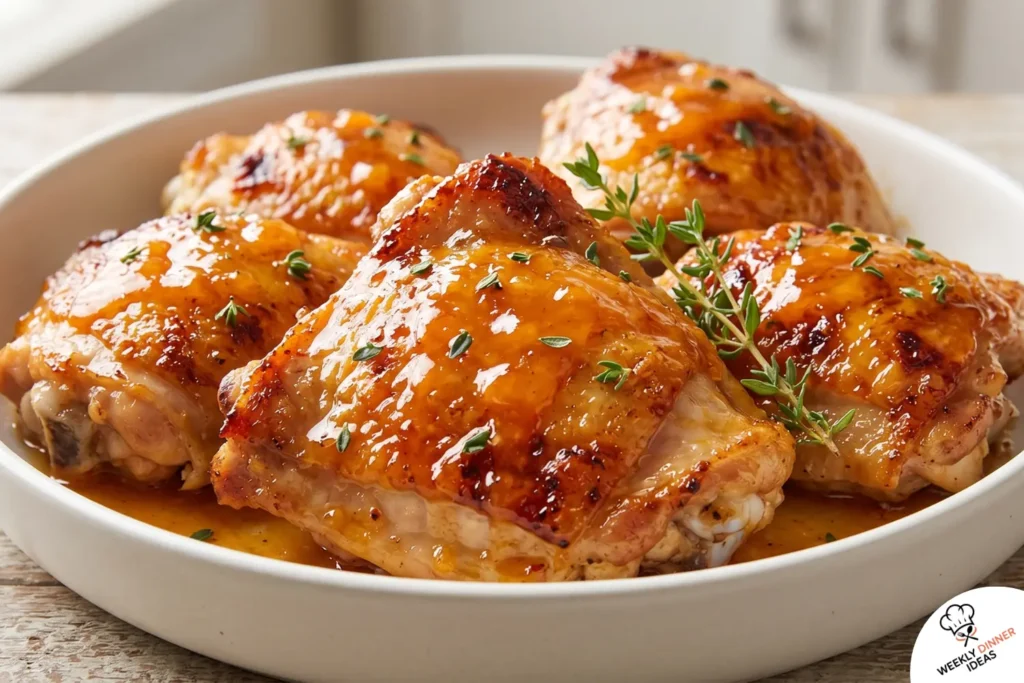
This dish delivers a balance of sweet, savory, and slightly tangy flavors, with a sticky, glossy finish that picky eaters adore and adults enjoy. It’s a forgiving, weeknight-friendly recipe that looks impressive without needing hours of hands-on effort.
- Flavor: bright apricot with savory depth from mustard and soy; caramelized edges add complexity.
- Texture: crisp, lacquered skin outside, tender, juicy meat inside.
- Convenience: glaze comes together quickly from pantry staples; can bake straight from the oven.
- Family appeal: sweet glaze is broadly liked by kids and grown-ups; suitable for casual dinners.
- Seasonal fit: works year-round—apricot preserves make summer sun available in winter.
- Meal-prep value: leftovers reheat well; make extra glaze to spoon over rice or roasted vegetables.
- Dietary flexibility: easy to make gluten-free by swapping tamari for soy sauce.
What Is Glazed Apricot Chicken Thighs?
Glazed Apricot Chicken Thighs are bone-in, skin-on chicken thighs roasted or pan-seared and finished with a sweet-tangy apricot-based glaze that becomes glossy and slightly sticky when reduced. This dish is often served as a family dinner, paired with simple starches and vegetables; the glaze offers bright apricot flavor with savory notes that balance the sweetness.
This version leans on pantry staples—apricot preserves, a touch of mustard, acid (lemon or vinegar), and soy or tamari for umami—so it’s fast and reliable. The method I use sears the skin for texture, then finishes in the oven, glazing once or twice to build that beautiful lacquered coating.
Ingredients You’ll Need
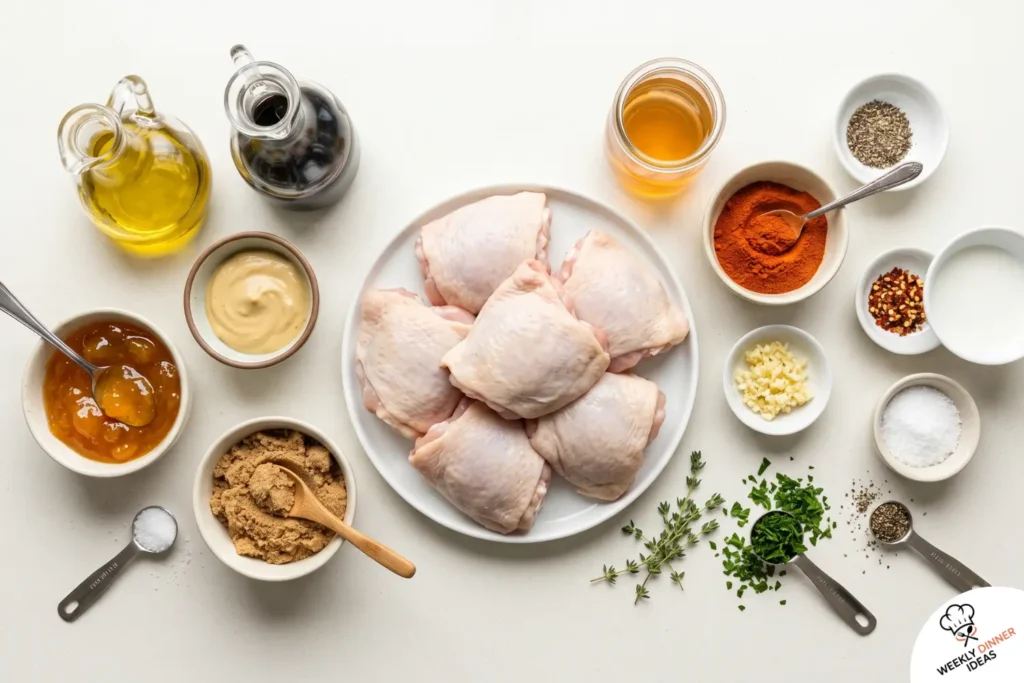
- 6 bone-in, skin-on chicken thighs (about 2 to 2½ pounds)
- Kosher salt and freshly cracked black pepper
- 1 tablespoon olive oil (or neutral oil)
- ½ cup apricot preserves (seedless is fine)
- 2 tablespoons soy sauce or tamari (use tamari for gluten-free)
- 1 tablespoon Dijon mustard
- 1 tablespoon apple cider vinegar or fresh lemon juice
- 1 tablespoon brown sugar (optional, for extra caramelization)
- 1 large garlic clove, minced
- ½ teaspoon smoked paprika (optional)
- Pinch of red pepper flakes (optional)
- 1 teaspoon cornstarch + 1 tablespoon water (optional, to thicken glaze)
- Fresh thyme or chopped parsley for garnish (optional)
Key ingredients and why they matter:
- Bone-in, skin-on thighs hold moisture and develop flavor as they roast. If you only have boneless thighs, cook time will be shorter.
- Apricot preserves form the backbone of the glaze—choose a jar with good apricot flavor. If you prefer a smoother finish, seedless preserves or apricot jam work well.
- Soy sauce/tamari and mustard add savory balance so the glaze isn’t overwhelmingly sweet.
- Acid (vinegar or lemon) brightens the glaze and helps it coat the chicken deliciously.
Tools You Need
- Oven-safe skillet (cast iron preferred) or a rimmed baking sheet (paid link)
- Small saucepan or microwave-safe bowl (for the glaze) (paid link)
- Instant-read thermometer (paid link)
- Tongs (paid link)
- Wooden spoon or whisk (paid link)
- Small bowl for cornstarch slurry (optional) (paid link)
- Basting brush (optional) (paid link)
- Baking rack (optional, for crisper skin) (paid link)
Ingredient Substitutions and Additions
Best substitutions
- Tamari for soy sauce: makes the recipe gluten-free.
- Apricot jam for preserves: use jam if preserves aren’t available; preserves sometimes contain fruit pieces that add texture.
- Bone-in to boneless thighs: reduce cook time by 8–12 minutes and monitor internal temperature.
Flavor additions
- Fresh ginger (½ teaspoon grated) for lift and warmth.
- A splash of orange juice instead of some vinegar for extra citrus brightness.
- A teaspoon of sriracha or chili paste for a sweet-spicy glaze.
- Add rosemary instead of thyme for a woodsy aroma.
Dietary swaps
- Low-sugar option: use sugar-free apricot spread and omit added brown sugar, or reduce it to 1 teaspoon.
- Lower sodium: use low-sodium soy sauce and taste before salting the chicken.
- Paleo/Whole30-style: use mashed fresh apricots with a touch of honey (optional), and swap tamari with coconut aminos.
How to Make Glazed Apricot Chicken Thighs
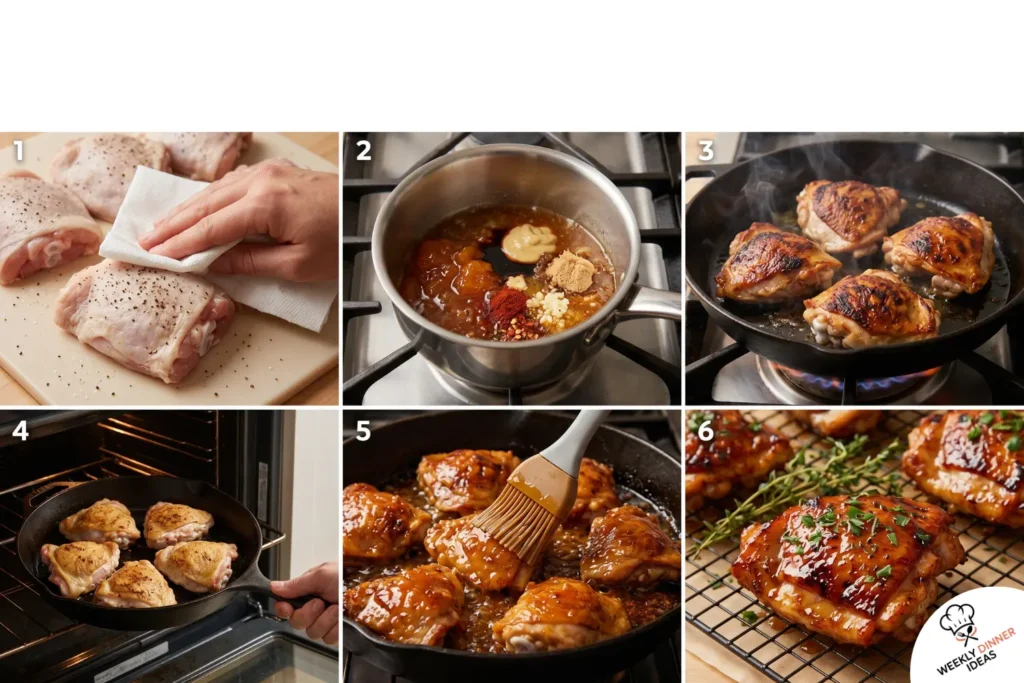
In short: season and sear the thighs to develop a golden, crisp skin, make a quick apricot glaze on the stove, roast the chicken until just done, then brush and broil briefly to build a sticky, shiny finish.
Step 1: Prep and season the chicken
Pat the thighs dry with paper towels—this is the single best trick for crispier skin. Generously season both sides with kosher salt and freshly cracked pepper. Let the thighs sit at room temperature for 15–20 minutes while you preheat the oven to 400°F (205°C) and prepare the glaze.
What to look for: skin should feel drier after patting; if it’s still damp, the skin won’t get as crisp. Room temperature thighs cook more evenly.
Practical tip: salt earlier if you have time (up to 2 hours). That helps the seasoning penetrate and yields better texture.
Step 2: Make the apricot glaze
Combine apricot preserves, soy sauce, Dijon mustard, apple cider vinegar (or lemon juice), brown sugar (if using), minced garlic, smoked paprika, and red pepper flakes in a small saucepan. Warm gently over medium-low heat, stirring until smooth and slightly loose—about 3–5 minutes. Taste and adjust: add a splash more vinegar if it needs brightness, or a pinch of salt if it tastes flat.
If you want a thicker glaze, stir together 1 teaspoon cornstarch with 1 tablespoon water and whisk into the warmed glaze. Cook 1–2 minutes until the glaze thickens and turns glossy.
What to look for: the glaze should coat the back of a spoon and taste balanced—bright, slightly salty, and not cloyingly sweet.
Practical tip: make the glaze while the oven preheats. It keeps warm on the stove on the lowest setting, or transfer to a microwave-safe bowl and zap for 10–15 seconds if it starts to firm up.
Step 3: Sear the chicken for color and texture
Heat 1 tablespoon olive oil in an oven-safe skillet (or large heavy-bottomed pan) over medium-high heat until shimmering. Place the thighs skin-side down and press gently so the skin makes contact evenly. Sear until the skin is deeply golden and releases from the pan easily, about 6–8 minutes. Flip and sear the other side for 2 minutes.
What to look for: aim for a deep, even golden-brown—not burnt. The rendered fat will smell nutty and rich.
Practical tip: avoid crowding the pan; work in batches if necessary. Use tongs to flip so you don’t pierce the skin and lose juices.
Step 4: Roast and glaze
Transfer the skillet to the preheated oven (or move thighs to a rimmed baking sheet if not using an oven-safe skillet). Roast at 400°F for about 18–22 minutes for bone-in thighs after searing, depending on size. Start checking internal temperature at 18 minutes—insert an instant-read thermometer into the thickest part, avoiding the bone. Target 165°F (74°C).
Once thighs reach about 155–160°F (68–71°C), brush a generous layer of the apricot glaze over the skin. Return to the oven for 4–6 minutes to let the glaze set and caramelize. If you want a stickier, more lacquered surface, turn the oven to broil for 1–2 minutes while watching carefully—the sugars will brown fast.
What to look for: the glaze should bubble and take on a deeper color. Juices should run clear and the thermometer should read at least 165°F.
Practical tip: if using boneless thighs, roast for less time—start checking at 12 minutes.
Step 5: Rest and serve
Remove the chicken from the oven and let it rest 5–8 minutes before serving. Resting allows the juices to redistribute and helps the glaze set slightly so it won’t slide off when you cut into the meat. Garnish with fresh thyme or parsley and another spoonful of warm glaze if you like extra shine.
What to look for: when you slice into the thigh, the meat should be moist and tender, not rubbery or dry. The skin will still have a slight crispness under the glossy glaze.
Practical tip: serve with an extra little pot of warm glaze on the side—guests often want more.
Pro Tips for the Best Glazed Apricot Chicken Thighs
Start with this quick advice so your dish turns out reliably delicious every time.
- Always pat the skin dry before seasoning: moisture is the enemy of crispiness.
- Sear skin-side down until the fat renders and the skin is deep golden—this adds dramatic texture.
- Taste and tweak the glaze: preserves vary in sweetness; balance with acid and mustard.
- Avoid overcooking: check internal temperature early. 165°F is safe; remove at 160°F and rest to reach 165°F if you prefer juicier meat.
- Use bone-in, skin-on for best flavor and succulence. If using boneless, cut cook time and check temperature.
- Double the glaze: extra glaze stores nicely in the fridge and is great on rice or roasted veggies.
- To make ahead: sear the thighs, cool, and refrigerate with glaze on the side. Reheat in a 375°F oven and brush with glaze in the final 6–8 minutes.
- For a more caramelized finish, broil for 1–2 minutes at the end—watch it closely to prevent burning.
What to Serve with Glazed Apricot Chicken Thighs
This chicken shines next to simple starches and bright veg. Here are some pairing ideas and links to helpful recipes and categories on the site:
- Fluffy steamed rice or coconut rice soaks up the glaze—pair with ideas from the quick weeknight dinners category.
- Roasted Brussels sprouts or green beans for a green contrast; try a sheet-pan approach from the onepan sheet pan meals category.
- A crisp green salad dressed with lemon vinaigrette lightens the meal—see ideas in healthy dinner recipes.
- For a heartier plate, serve with buttery mashed potatoes or a simple pilaf.
- If you want more chicken inspiration, browse the chicken recipes page for complementary dishes.
Storage, Freezing, and Reheating
Store cooked glazed apricot chicken thighs in an airtight container in the refrigerator for up to 3–4 days. Freeze for up to 2 months in a freezer-safe container or tightly wrapped foil. Reheat in a 350°F oven until warmed through to keep the skin from getting soggy; finish under the broiler for a minute to crisp the surface. Note that frozen and reheated skin won’t be quite as crisp as freshly cooked, but the glaze holds up well.
Fridge storage tip: place leftover thighs on a wire rack over a sheet pan to keep the skin elevated if you plan to re-crisp in the oven. If you freeze the thighs, thaw overnight in the refrigerator before reheating.
About This Recipe and Why It Works
I developed this recipe as a weekday lifeline—fast enough for school nights, pretty enough for company. My culinary training taught me to respect the basics: salt, heat, and time. The combination of searing and finishing in the oven builds texture and flavor without demanding constant attention. The apricot preserves are a shortcut to concentrated fruit flavor; paired with mustard and soy, they become a glaze with depth, not just sugar. I often make double glaze because it’s delicious stirred into rice or drizzled on roasted carrots.
This recipe fits Weekly Dinner Ideas’ mission: simple techniques that lift ordinary ingredients into something memorable. It’s flexible—swap tamari for soy to make it gluten-free or switch to boneless thighs when you need a quicker cook. If you enjoy straightforward meals that taste better than they look like they took, this is one to keep in your repertoire.
Frequently Asked Questions
Can I use boneless, skinless chicken thighs instead?
Yes. Boneless, skinless thighs cook faster—start checking at 10–12 minutes after roasting if you seared first. Because they lack skin, they won’t have the same crisp texture; reduce oven time and rely on internal temperature (165°F) to judge doneness. Add a little extra glaze for moisture. Further note: boneless thighs benefit from a short brine (salt water for 30 minutes) to keep them juicy.
Is apricot preserves the only option?
No. Apricot jam, peach preserves, or even mango chutney can be used in a pinch. Jam tends to be smoother while preserves may contain fruit pieces that add texture. If using chutney, skip the brown sugar and taste for sweetness and spice.
How do I get the glaze to stick and be sticky, not runny?
Reduce the glaze in a small saucepan until it coats the back of a spoon, or whisk in a tiny cornstarch slurry (1 tsp cornstarch + 1 tbsp water) and cook 1–2 minutes. Brush glaze onto the chicken in the last 5–8 minutes of roasting and broil for 1–2 minutes to set the surface.
What internal temperature should I cook the thighs to?
The safe internal temperature for cooked chicken is 165°F (74°C). Insert an instant-read thermometer into the thickest part of the thigh, avoiding the bone. For juicier results, you can remove the thighs from the oven at 160°F and let them rest for a few minutes—the carryover heat will bring them to 165°F.
Can I make this recipe gluten-free?
Yes. Use tamari or coconut aminos instead of soy sauce. Confirm that your apricot preserves don’t contain any unexpected additives if you’re strictly avoiding gluten. The rest of the ingredients are naturally gluten-free.
How long can I keep leftovers, and how should I reheat them?
Leftovers keep well in the refrigerator for 3–4 days. Reheat gently in a 350°F oven until warmed through (about 12–15 minutes), then finish under the broiler for 30–60 seconds to restore some crispness. Avoid microwaving if you care about texture, as it softens the skin.
Can I prepare this ahead for guests?
Yes. You can sear the thighs and make the glaze a few hours ahead; refrigerate both separately. When ready, reheat the seared pieces in a 375°F oven for 12–18 minutes, brush with warm glaze, and broil briefly to finish. This keeps cooking-day stress low and preserves flavor.
Final Thoughts
Glazed Apricot Chicken Thighs are one of those recipes that makes weeknights feel special with very little fuss. The glaze is a pantry-saver that transforms ordinary chicken into something glossy, sweet, and slightly tangy—comforting enough for family dinners and fancy enough for casual guests. If you need more dinner inspiration, check out the chicken recipes page for other weeknight winners, peek at one-pan sheet pan meals for easy clean-up ideas, or explore healthy dinner recipes for lighter sides.
I’d love to hear how your batch turns out—leave a comment below with any tweaks or questions, rate the recipe if you try it, and pin it to save for later on my Pinterest board at Chicken by Elizabeth. Your feedback helps me refine recipes and share new favorites with other home cooks.
Quick Recipe Summary
15–20 minutes (plus optional resting time)
25–35 minutes (sear + roast)
40–55 minutes
4
Easy
Weeknight dinners, simple family meals, make-ahead entertaining
Sweet-tangy, savory-umami, lightly smoky if smoked paprika used
Nutrition Information
| Nutrient | Per Serving |
|---|---|
| Calories | Approx. 480 |
| Protein | Approx. 28 g |
| Carbohydrates | Approx. 14 g |
| Dietary Fiber | Approx. 1 g |
| Fat | Approx. 32 g |
These nutrition values are estimates calculated for a typical serving using bone-in, skin-on chicken thighs and a glaze made with apricot preserves, soy sauce, and small amounts of sugar and oil. Exact values will vary based on portion sizes and specific brands you use.
—
Thanks for cooking along—this recipe is one I come back to on busy nights when I want something dependable and delicious. If you try it, leave a star rating and tell me what side you served with it. For more chicken ideas and weekly dinner inspiration, visit the homepage and wander through the categories—I post recipes with practical tips meant for real kitchens.
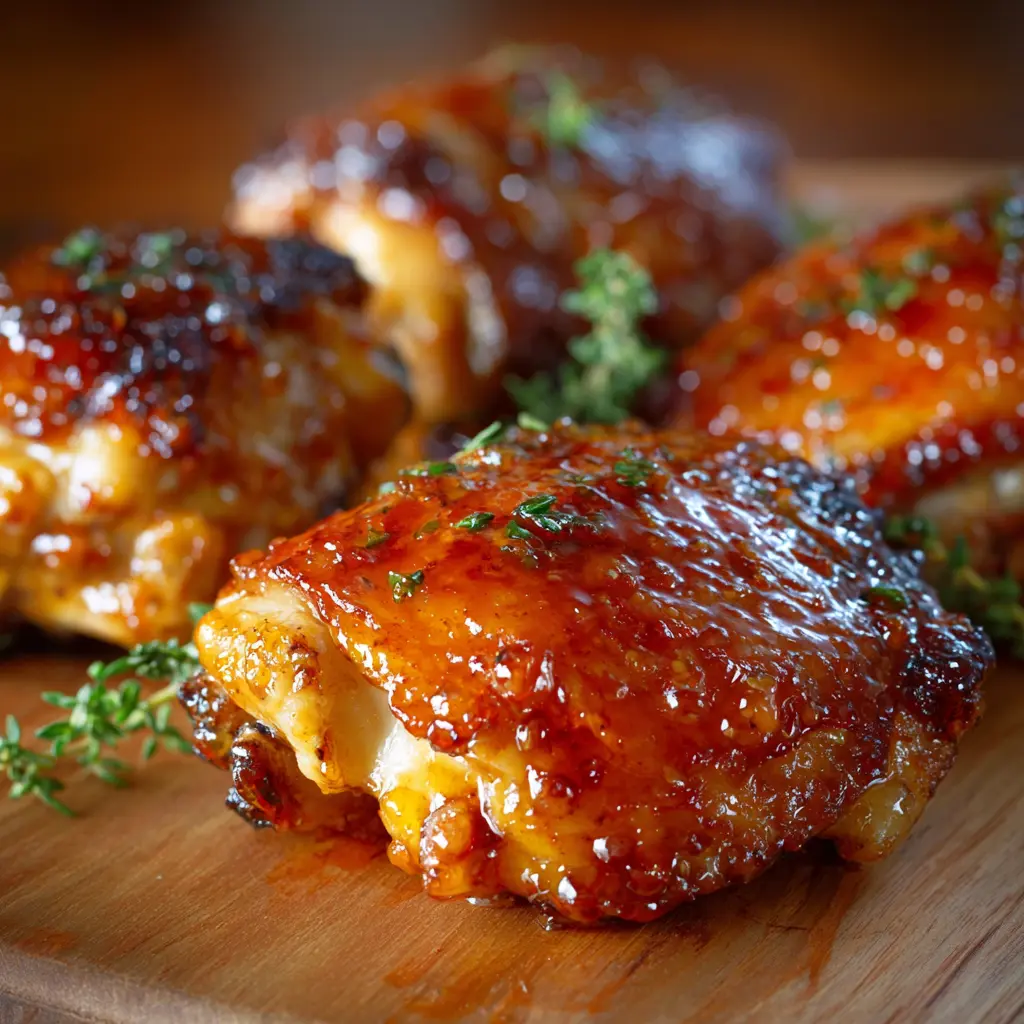

Glazed Apricot Chicken Thighs
Ingredients
Equipment
Method
- Prep and season the chicken. Pat the thighs dry with paper towels. Season both sides generously with kosher salt and freshly cracked black pepper. Let the thighs sit at room temperature for 15–20 minutes while you preheat the oven to 400°F.
- Make the apricot glaze. Combine the apricot preserves, soy sauce or tamari, Dijon mustard, apple cider vinegar or lemon juice, brown sugar if using, minced garlic, smoked paprika if using, and red pepper flakes if using in a small saucepan. Warm gently over medium-low heat for 3–5 minutes, stirring until smooth and slightly loose.
- Thicken if desired. If you want a thicker glaze, stir together 1 teaspoon cornstarch with 1 tablespoon water and whisk it into the warmed glaze. Cook for 1–2 minutes, until glossy and thick enough to coat the back of a spoon.
- Sear the chicken. Heat olive oil in an oven-safe skillet over medium-high heat until shimmering. Place the thighs skin-side down and press gently so the skin makes even contact. Sear for 6–8 minutes, until deeply golden and the skin releases easily from the pan.
- Flip and roast. Flip the thighs and sear the second side for 2 minutes. Transfer the skillet to the oven and roast at 400°F for 18–22 minutes, depending on size. Start checking at 18 minutes.
- Glaze and finish. Once the thighs reach about 155–160°F, brush a generous layer of apricot glaze over the skin. Return to the oven for 4–6 minutes, until the glaze sets and caramelizes and the chicken reaches 165°F.
- Broil if desired. For a stickier, more lacquered surface, broil for 1–2 minutes at the end while watching carefully so the sugars do not burn.
- Rest and serve. Remove the chicken from the oven and let it rest for 5–8 minutes. Garnish with fresh thyme or chopped parsley and spoon extra warm glaze over the top if desired.
Notes

Elizabeth Morgan
Easy & Delicious Recipes
Follow for quick family-friendly recipes, baking inspiration, and comfort food favorites.
Follow on Pinterest