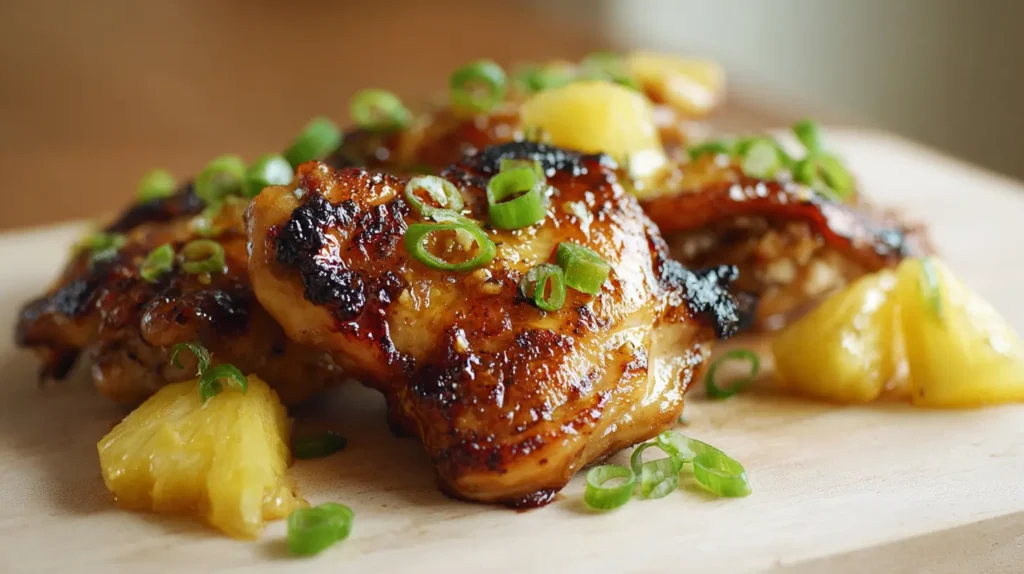
Discover the Ultimate Chicken Thigh Marinade for Irresistible Flavor!
- Chicken Recipes
 Elizabeth
- 0
- 44 minutes read
I still remember the first time I nailed a simple Chicken Thigh Marinade that made my whole family ask for seconds—there’s something about juicy, caramelized thighs that turns a regular weeknight into a small celebration. I’m Elizabeth Morgan, and after years in professional kitchens and plenty of hurried weeknights at home, I’ve settled on a marinade formula that’s flexible, forgiving, and built around real pantry staples. It works beautifully whether you grill, bake, or pan-sear, and it always highlights the rich texture of chicken thighs without overcomplicating the process. Let’s walk through the recipe, the why behind the ingredients, and everything I’ve learned testing this again and again so your dinner comes out confidently every time.
Why You’ll Love This Chicken Thigh Marinade
This marinade is a quick, versatile way to infuse deep, balanced flavor into chicken thighs. It combines acid, fat, salt, and aromatics to tenderize and create a glossy, savory crust when cooked.
- Flavor: Bright citrus and tang from vinegar or lemon balanced with savory soy or Worcestershire, honey for subtle caramel, and garlic and herbs for savory depth.
- Texture: Olive oil and acid help the thighs stay moist while cooking; paprika and sugar encourage caramelized edges.
- Convenience: Made in one bowl with pantry staples. Marinate as little as 30 minutes or up to 24 hours.
- Family appeal: Sweet-savory notes play well with kids and adults alike.
- Seasonal fit: Works year-round—grill in summer, roast in cooler months.
- Meal-prep value: Make a double batch for lunches or sandwiches later in the week.
- Dietary flexibility: Naturally gluten-free if you use gluten-free soy sauce and can be adapted to low-sugar or low-sodium preferences.
What Is Chicken Thigh Marinade?
A Chicken Thigh Marinade is a flavored liquid mix used to soak chicken thighs before cooking to add flavor and improve tenderness. It typically combines an acid, fat, seasoning, and aromatics to penetrate the meat and create a tasty exterior when cooked.
This version is balanced for American weeknight cooking: tangy citrus or vinegar, a touch of sweet for caramelization, and umami elements like soy or Worcestershire to deepen the savory profile. It tastes bright, slightly sweet, and richly savory on the outside while keeping the meat juicy inside—perfect for grilling, baking, or pan-searing.
Ingredients You’ll Need
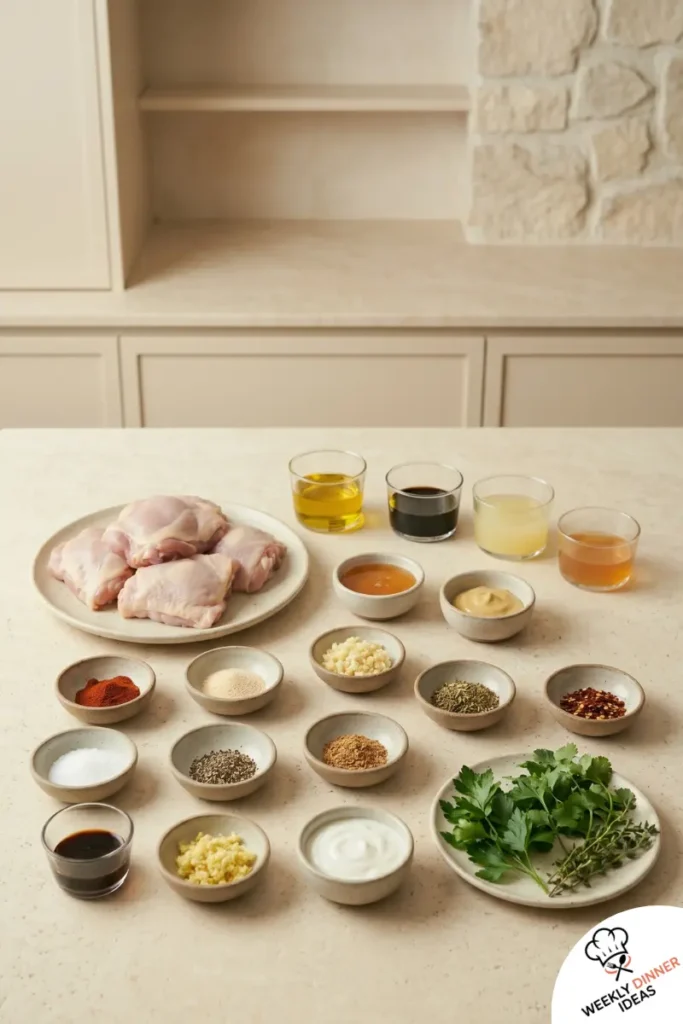
- 1/2 cup extra-virgin olive oil (or neutral oil like canola)
- 1/4 cup low-sodium soy sauce (or tamari for gluten-free)
- 3 tablespoons fresh lemon juice (about 1 large lemon) or 2 tablespoons apple cider vinegar
- 2 tablespoons honey or brown sugar
- 2 tablespoons Dijon mustard
- 4 cloves garlic, minced (about 2 tablespoons)
- 1 teaspoon smoked paprika
- 1 teaspoon onion powder
- 1 teaspoon dried oregano (or 1 tablespoon chopped fresh)
- 1/2 teaspoon crushed red pepper flakes (optional)
- Kosher salt and freshly ground black pepper, to taste
- 2–3 pounds chicken thighs (bone-in, skin-on or boneless skinless as preferred)
Optional (but great):
- 1 tablespoon Worcestershire sauce
- 1 tablespoon grated fresh ginger
- 1/4 cup plain yogurt (for a creamier, tenderizing version—optional)
- Fresh herbs for finishing: parsley, cilantro, or thyme
Notes on ingredients:
- Olive oil carries flavor and keeps the marinade adhering to the thighs; use a neutral oil if you prefer a lighter olive flavor.
- Acid (lemon or vinegar) brightens and gently tenderizes—don’t overdo it for long marinades.
- Soy sauce adds umami and salt—adjust salt after marinating.
- Honey or brown sugar helps the thighs brown and balances acidity; reduce or omit for a lower-sugar option.
Tools You Need
- Mixing bowl (paid link)
- Whisk or fork (paid link)
- Measuring cups and spoons (paid link)
- Large zip-top bag or shallow baking dish for marinating (paid link)
- Digital instant-read thermometer (paid link)
- Tongs (paid link)
- Baking sheet with a rack (for roasting) or grill/pan for cooking (paid link)
- Spoon or basting brush (paid link)
Ingredient Substitutions and Additions
Best substitutions
- Soy sauce → tamari for gluten-free diets; coconut aminos for soy-free.
- Lemon juice → rice vinegar or white wine vinegar (slightly less bright).
- Honey → maple syrup or brown sugar (maple adds a richer flavor).
- Olive oil → avocado oil or canola oil for a neutral taste.
Flavor additions
- Add 1 tablespoon smoked paprika for deeper charred flavor.
- Stir in 1 tablespoon grated ginger for an Asian-leaning twist.
- Replace lemon with orange juice and add a splash of soy for a citrus-honey glaze.
- Add 1 tablespoon butter at the end of pan-searing to enrich the sauce.
Dietary swaps
- Low-sodium: use low-sodium soy or dilute with water and adjust salt later.
- Low-sugar: omit honey and add extra Dijon and a pinch of smoked paprika for depth.
- Dairy-free: omit yogurt option; it’s unnecessary for most preparations.
How to Make Chicken Thigh Marinade
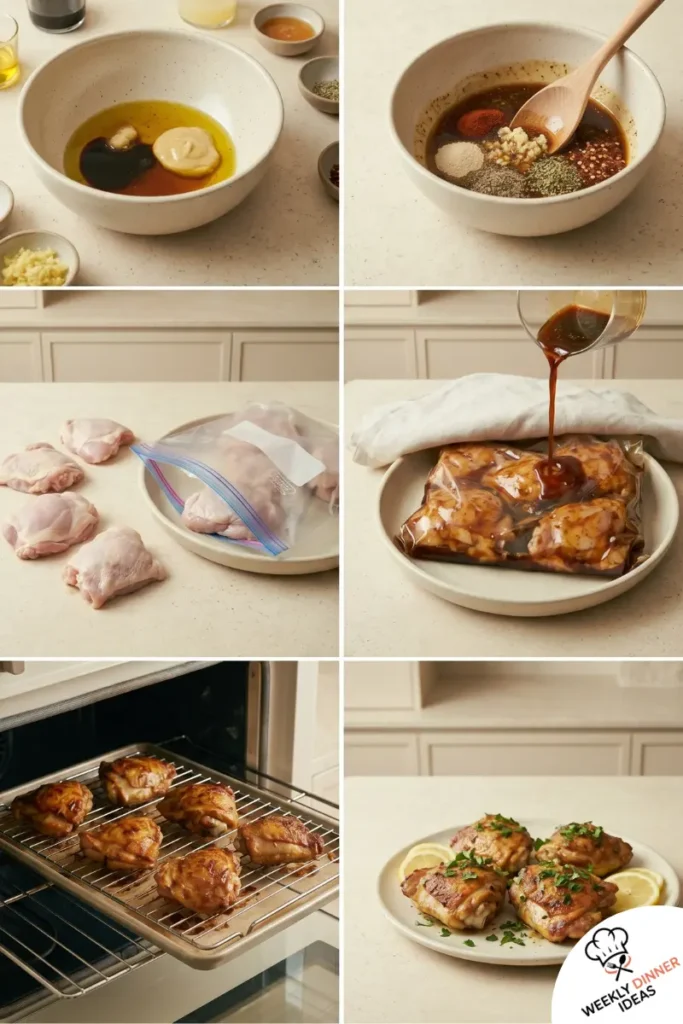
This marinade is quick to assemble and forgiving in timing—mix, pour over the thighs, and refrigerate. The goal is bright, balanced flavor that sticks to the meat and helps the skin caramelize.
Step 1: Mix the marinade
In a medium bowl, whisk together the olive oil, soy sauce, lemon juice (or vinegar), honey (or brown sugar), and Dijon mustard until smooth. Stir in the minced garlic, smoked paprika, onion powder, oregano, and pepper flakes if using. Taste the liquid—if it feels flat, add a pinch more salt; if it’s too salty, add a bit more lemon or a splash of water.
What to look for: The mixture should be glossy and pourable. You want salt, acid, sweetness, and fat all present so the flavors balance when they meet the chicken.
Practical advice: Whisk the oil into the acid and mustard first so it emulsifies slightly; this helps the herbs stick to the meat.
Step 2: Prepare the chicken
Pat the chicken thighs dry with paper towels. If using bone-in, skin-on thighs, do not trim the fat too aggressively—some fat equals flavor. Place the thighs in a large zip-top bag or a shallow baking dish in a single layer.
What to look for: Dry chicken will take the marinade better on the surface, so patting dry helps the flavor adhere and allows the skin to crisp when cooked.
Practical advice: If you want quicker penetration, lightly score the thicker part of each thigh with a few shallow slashes; this also helps marinades with thicker textures seep in.
Step 3: Combine and marinate
Pour the marinade over the thighs, then seal the bag and press out excess air, or cover the dish tightly. Massage the marinade into the meat gently through the bag so every piece is coated. Refrigerate for at least 30 minutes; for best flavor, marinate 2–6 hours. You can marinate up to 24 hours, but beyond that the acid may start to change the texture of the meat slightly.
What to look for: Evenly coated thighs with no large pools of unmixed marinade. If using a dish, turn the thighs once after 30–60 minutes.
Practical advice: Bring marinated thighs to room temperature for 20–30 minutes before cooking to ensure more even cooking—particularly helpful if you’re roasting.
Step 4: Cook—roast, grill, or pan-sear
Option A — Roast: Preheat oven to 425°F (220°C). Arrange thighs skin-side up on a rack set over a baking sheet. Roast bone-in thighs 35–45 minutes until the skin is crisp and an instant-read thermometer reads 165°F (74°C) in the thickest part. Boneless thighs generally take 20–25 minutes.
Option B — Grill: Preheat grill to medium-high. Grill skin-side down first to render fat and build char (about 6–8 minutes). Flip and cook until internal temperature reaches 165°F; bone-in thighs will take longer—use indirect heat to avoid burning.
Option C — Pan-sear: Heat a large cast-iron skillet over medium-high heat with a tablespoon of oil. Sear skin-side down until golden and crisp, about 6–8 minutes, then flip and finish in the oven at 400°F if necessary, or reduce heat and cover to cook through. Use a thermometer to confirm doneness.
What to look for: A deep golden-brown color on the skin or exterior and no pink near the bone (when sliced). The thermometer should read 165°F; for extra safety with dark meat, many cooks remove at 165–170°F.
Practical advice: If the marinade pooled with sugar on the surface is getting too dark on the grill or in the pan, move the thighs to indirect heat to finish cooking without burning.
Step 5: Rest and finish
Let the thighs rest 5–10 minutes after cooking. This helps juices redistribute and keeps the meat tender. If you like, spoon any juices from the pan into a small saucepan and boil for a couple minutes to use as a sauce (discard raw marinade if it wasn’t boiled).
What to look for: Juices that run clear and a slightly glossy surface where the marinade caramelized.
Practical advice: Finish with a squeeze of lemon and chopped herbs to brighten the dish just before serving.
Pro Tips for the Best Chicken Thigh Marinade
Start with this: a balanced marinade and a proper cook make all the difference.
- Don’t over-marinate: For most oil-based marinades with acid, 2–6 hours is ideal. Overnight can be fine, but intense acids (lots of lemon or vinegar) can tighten muscle fibers if left too long.
- Use an instant-read thermometer: Relying on temperature (165°F) beats guesswork and keeps thighs juicy.
- Dry skin crisps best: Pat skin dry before cooking even if the thighs are marinated. Dab off excess marinade and let air circulate on the skin as it cooks.
- Reserve some marinade for a quick glaze: Set aside a small portion before you add raw meat. If you want to use the marinade as a sauce, simmer the reserved portion for 2–3 minutes to make it safe and slightly syrupy.
- Double the batch for meal prep: Marinate a bigger batch and freeze portions for future dinners. Thaw overnight in the fridge before cooking.
- Control char: For grilled thighs, start over direct heat to sear, then move to indirect heat to finish. This prevents burned sugar and keeps the interior moist.
- Adjust salt after marinating: Since soy adds salt, wait until after the marinade to finalize seasoning on the cooked thighs.
- Mind pan crowding: If pan-searing or roasting, don’t overcrowd the pan—air needs to circulate for browning. Work in batches if necessary.
What to Serve with Chicken Thigh Marinade
This marinade plays well with simple sides that soak up the juices.
- Serve with roasted vegetables and potatoes for a hearty weeknight dinner—see more in my one-pan and sheet pan meals collection for ideas.
- For a lighter plate, pair with a crisp green salad and lemon vinaigrette; I often reach for ideas in the healthy dinner recipes category.
- Make tacos or bowls with shredded leftovers—pair with rice and pickled onion for quick lunches; check out other chicken ideas in chicken recipes.
- Serve with buttery mashed potatoes or a warm grain like farro to soak up the marinade sauce.
- For speedy dinners, toss thighs with quick-cooked vegetables and a crusty loaf.
If you want recipes in similar styles, my quick weeknight dinners page has plenty of complementary ideas that pair well with this marinade.
Storage, Freezing, and Reheating
Store cooked chicken thighs in the refrigerator in an airtight container for 3–4 days. To freeze, wrap tightly or place in freezer-safe containers for up to 3 months. Reheat gently: warm in a 325°F oven until just warmed through, or reheat in a skillet covered with a lid over low heat to preserve moisture. Microwaving can dry them out—add a splash of water or broth and cover to help retain juiciness.
Expanded guidance:
- Fridge storage: Let thighs cool to room temperature no longer than 2 hours before refrigerating. Keep the juices in the container—they add flavor.
- Freezer storage: Label with date and marinade used. For best texture, use within 2–3 months.
- Reheating best practices: Finish with a sprinkle of fresh herbs or a squeeze of lemon to lift the reheated flavors. If using for salads or tacos, slicing cold is okay and keeps fibers intact.
About This Recipe and Why It Works
I created this marinade recipe out of necessity—years of teaching home cooks and feeding a busy household taught me that the best weeknight recipes are both forgiving and flavor-forward. Thighs tolerate more robust flavors and longer cooking than breasts, which makes them my go-to for meals that need to stretch from dinner to lunchboxes. This marinade balances acid, fat, and umami to coax maximum flavor without complicated steps. I love that it takes pantry staples and delivers a restaurant-quality result with minimal fuss. When I test recipes here at Weekly Dinner Ideas I aim for reproducible success: clear steps, sensory cues, and small tips that save time. That’s the same approach you’ll find across the site’s chicken recipes and one-pan meals—recipes meant to make your week a little easier and a lot more delicious.
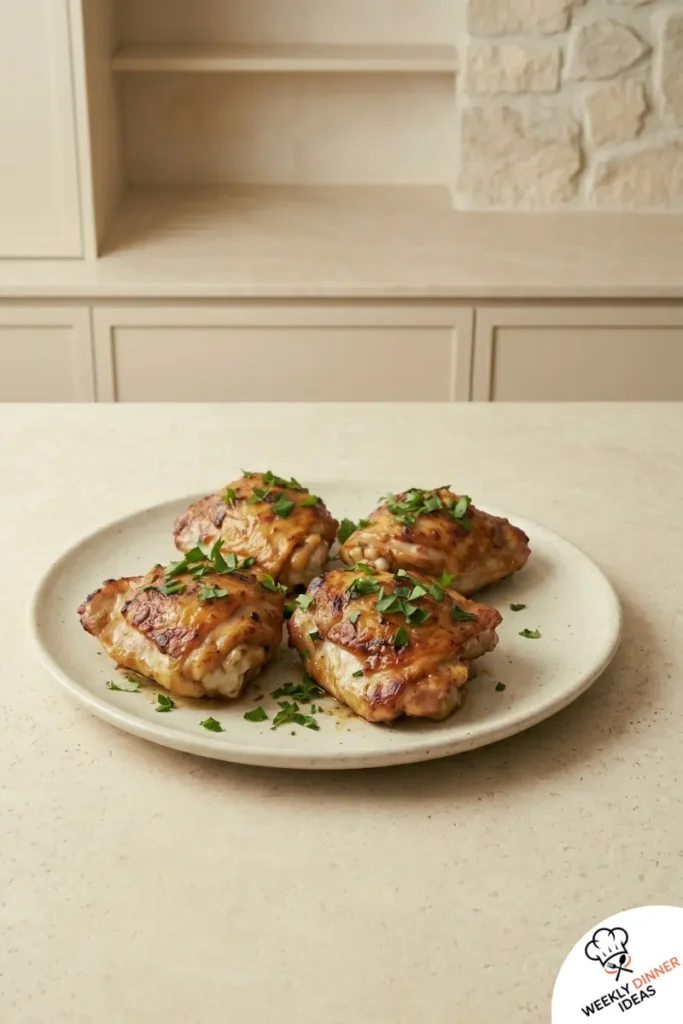
Frequently Asked Questions
Can I use this marinade for boneless, skinless thighs or chicken breasts?
Yes. The marinade works for both boneless and bone-in cuts. Boneless, skinless thighs need less time—30 minutes to 4 hours is sufficient. Chicken breasts can marinate for up to 4 hours; for breasts I’d err shorter than with thighs to avoid overly “cooked” textures from the acid. If using breasts, monitor cooking closely since they can dry faster. Always use an instant-read thermometer: breasts and thighs are safe at 165°F.
How long should I marinate chicken thighs?
Marinate at least 30 minutes for surface flavor and 2–6 hours for deeper flavor. Up to 24 hours is okay for most oil-based marinades, but if your mix is very acidic (a lot of lemon or vinegar) stick to under 12–18 hours to avoid changing the texture. I often aim for 4 hours on weekends and 30–60 minutes on busy weeknights—both give good results.
Can I reuse the marinade as a sauce?
Only if you reserve a portion before adding raw chicken or if you boil the used marinade. Raw marinade contains juices from the raw meat and can carry bacteria. To use it as a sauce, simmer it in a small saucepan for several minutes until it thickens and is bubbling to ensure safety. A quick trick: set aside 1/3 cup of the marinade before it touches raw meat for an immediate finishing glaze.
How can I tell when chicken thighs are done?
Use an instant-read thermometer inserted into the thickest part without touching bone. The safe internal temperature is 165°F (74°C). For thighs, many cooks prefer 170°F for slightly more tenderness, but 165°F is safe. Visually, the juices should run clear and the meat near the bone should not be pink. If you slice to check, look for moist, opaque meat and a crisp, caramelized surface if roasted or grilled.
Is this marinade gluten-free?
Not by default if you use regular soy sauce. Use tamari or a labeled gluten-free soy sauce (or coconut aminos) to make the recipe gluten-free. Also check Worcestershire sauce ingredients if you add it—some brands contain gluten.
Can I make this without honey or sugar?
Yes—omit the honey or brown sugar and increase the Dijon slightly for body, or add a splash of balsamic for sweet depth. The caramelization will be less intense, so watch for less browning. A tiny bit of maple syrup or a pinch of brown sugar can be added later if you want quicker browning.
Can I marinate and then freeze the chicken?
Yes. Place the thighs and marinade together in a freezer-safe bag, squeeze out excess air, label, and freeze for up to 3 months. Thaw overnight in the refrigerator before cooking and proceed with bringing to room temperature before cooking for even results.
Final Thoughts
This Chicken Thigh Marinade has become a quiet staple in my kitchen—reliable, tweakable, and forgiving. It helps you get yummy, family-friendly dinners on the table fast, and it’s flexible enough for grilling season or cozy oven nights. If you’re short on time, marinate briefly; if you want depth, give it a few hours. For complementary dinner ideas, try browsing the quick weeknight dinners and one-pan sheet pan meals collections for sides and complete meals. Love chicken? Check more chicken recipes for inspiration.
If you try this marinade, please leave a comment below with your tweaks and a star rating—I read every one. Don’t forget to save this recipe on Pinterest for later: Elizabeth’s Chicken Recipes on Pinterest.
Quick Recipe Summary
10 minutes (plus marinating time)
20–45 minutes (depending on method and cut)
40 minutes–24 hours (including marinating)
4 (using 2–3 pounds chicken thighs)
Easy
Weeknight dinners, grilling, meal prep
Bright, savory, slightly sweet, and herb-forward
Nutrition Information
| Nutrient | Per Serving |
|---|---|
| Calories | Approx. 360 |
| Protein | Approx. 28 g |
| Carbohydrates | Approx. 8 g |
| Dietary Fiber | Approx. 0.5 g |
| Fat | Approx. 22 g |
These values are estimates based on typical ingredient amounts and may vary based on exact portion sizes and product choices.
—
If you want a printable version or a variation for grilling or slow-cooker cooking, tell me which method you prefer and I’ll tailor the instructions step-by-step. Happy cooking—and don’t forget to share your photo on Pinterest so I can see how it turned out!
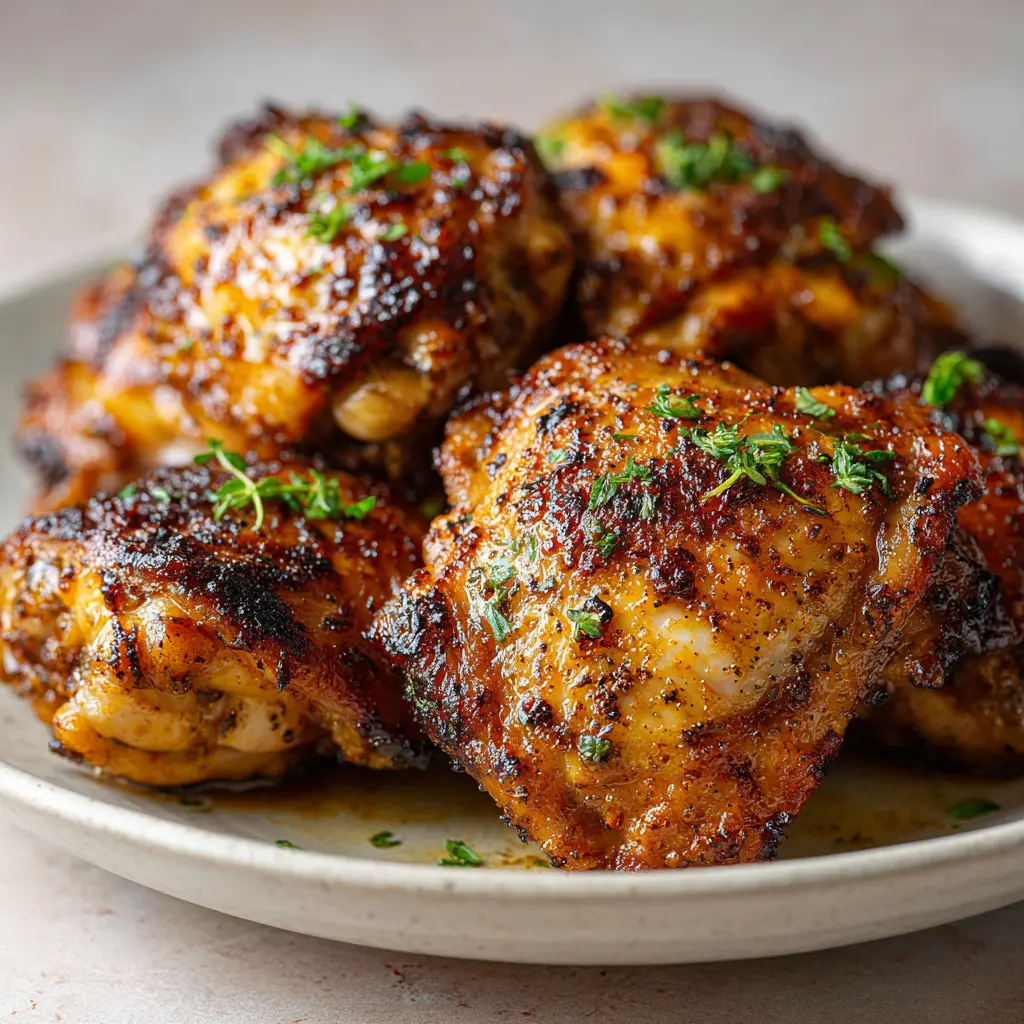

Chicken Thigh Marinade
Ingredients
Equipment
Method
- In a medium mixing bowl, whisk together olive oil, soy sauce or tamari, lemon juice or apple cider vinegar, honey or brown sugar, and Dijon mustard until smooth and slightly glossy.
- Stir in the minced garlic, smoked paprika, onion powder, dried oregano, crushed red pepper flakes if using, kosher salt, and black pepper. Taste the marinade and adjust as needed. Add a little more lemon juice if it is too salty, or a pinch more salt if it tastes flat.
- Pat the chicken thighs dry with paper towels. Place them in a large zip-top bag or shallow baking dish in a single layer.
- Pour the marinade over the chicken thighs. Seal the bag and press out excess air, or cover the dish tightly. Massage the marinade into the chicken so every piece is evenly coated.
- Refrigerate for at least 30 minutes. For best flavor, marinate for 2-6 hours. You can marinate up to 24 hours, but avoid going much longer because too much acid can change the texture of the chicken.
- Before cooking, let the marinated chicken sit at room temperature for 20-30 minutes for more even cooking. Remove excess marinade from the surface if needed to help the chicken brown instead of steam.
- To roast, preheat the oven to 425°F. Arrange chicken thighs skin-side up on a rack set over a baking sheet. Roast bone-in thighs for 35-45 minutes, or boneless thighs for 20-25 minutes, until the internal temperature reaches 165°F.
- To grill, preheat the grill to medium-high heat. Grill skin-side down first for 6-8 minutes to build color and render fat. Flip and continue cooking, using indirect heat if needed, until the internal temperature reaches 165°F.
- To pan-sear, heat a large skillet over medium-high heat with a little oil. Sear the chicken skin-side down for 6-8 minutes until golden and crisp. Flip and finish on the stovetop over lower heat or in a 400°F oven until cooked through.
- Let the chicken rest for 5-10 minutes before serving. Finish with a squeeze of lemon and fresh herbs if desired.
Notes

Elizabeth Morgan
Easy & Delicious Recipes
Follow for quick family-friendly recipes, baking inspiration, and comfort food favorites.
Follow on Pinterest