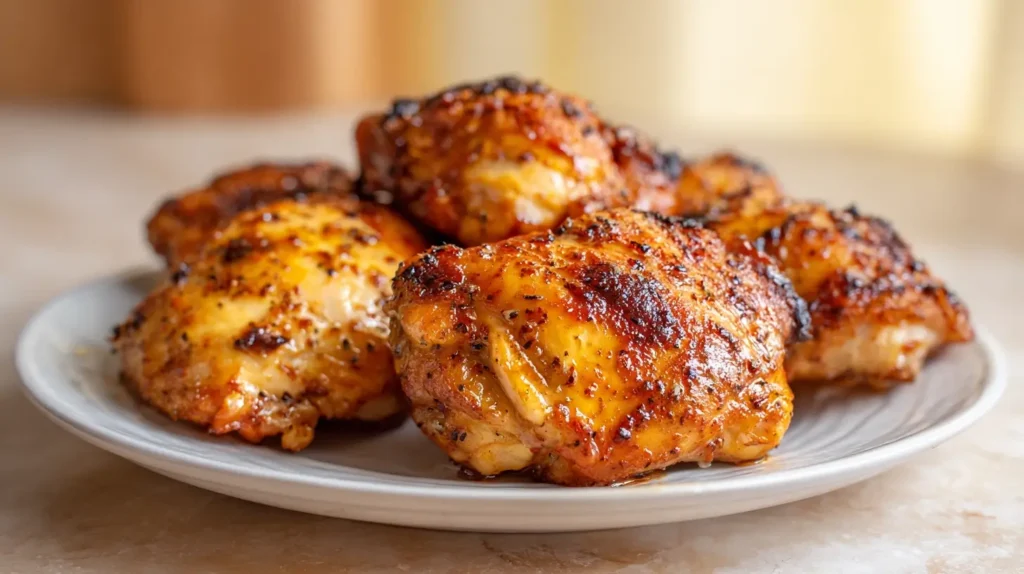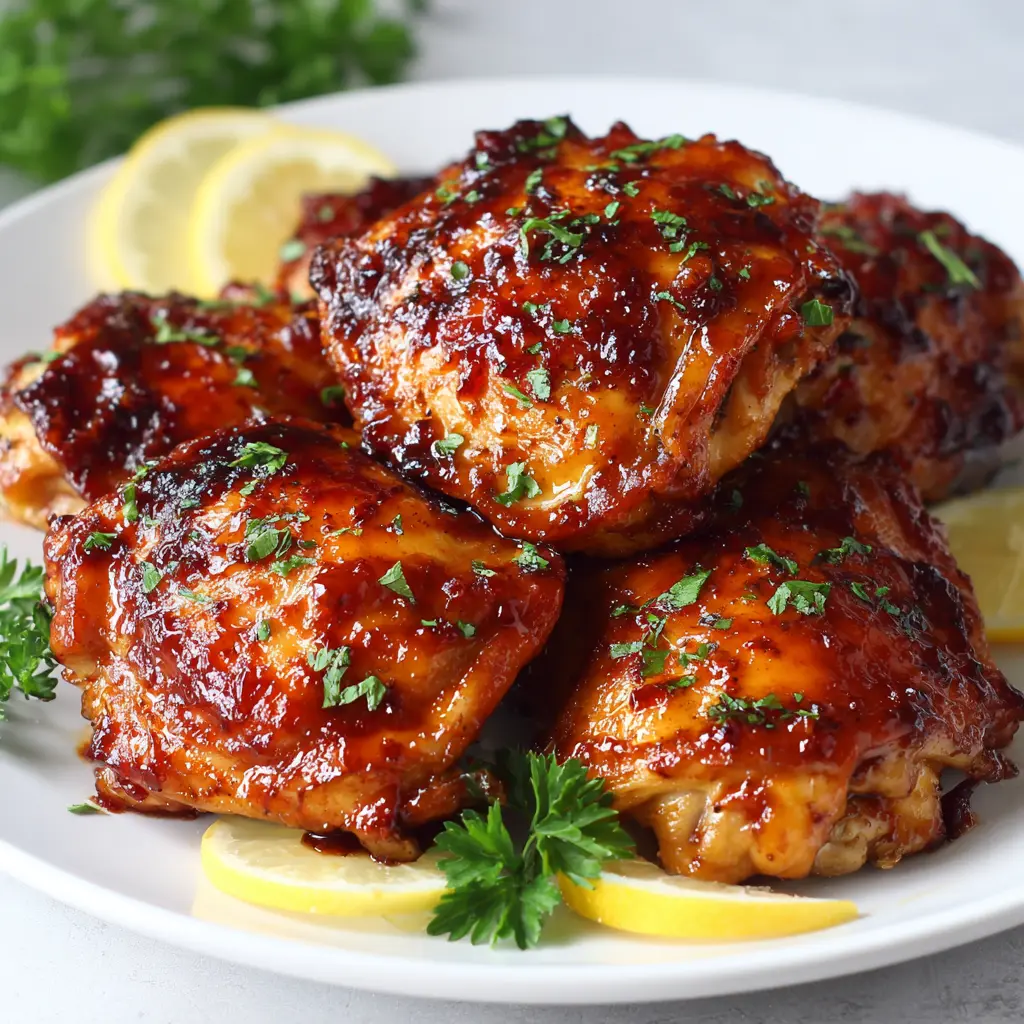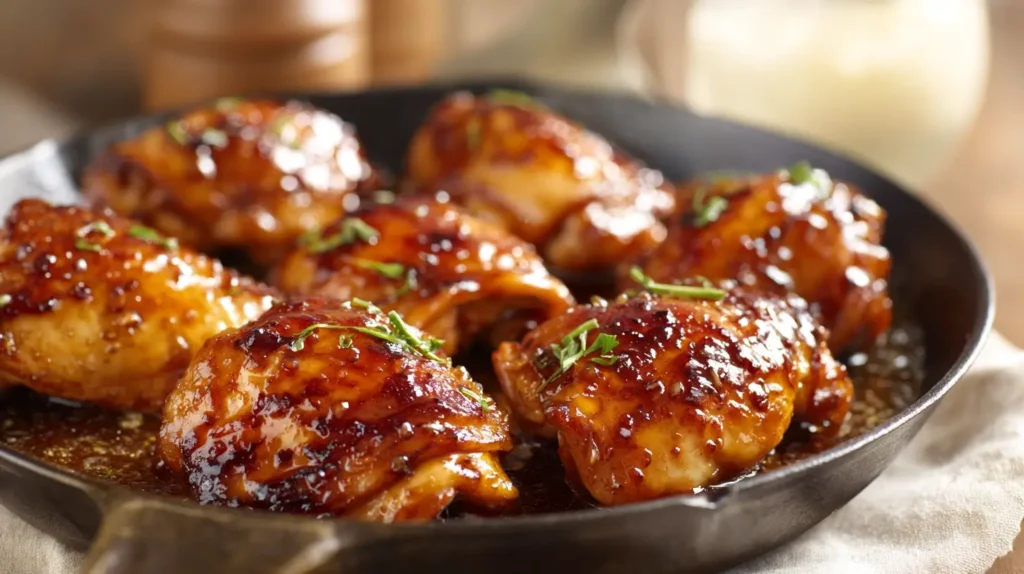
Discover the Ultimate Juicy Grilled Boneless Chicken Thighs Recipe!
- Healthy Dinner Recipes
 Elizabeth
- 0
- 43 minutes read
I love a recipe that delivers big flavor without drama, and these Juicy Grilled Boneless Chicken Thighs do exactly that. As a professionally trained chef who learned most of my early tricks cooking alongside my dad in a busy home kitchen, I’m drawn to recipes that celebrate simple ingredients and let technique do the heavy lifting. This grilled chicken thigh recipe uses everyday pantry staples and a short, flavorful marinade to produce tender, caramelized thighs that stay juicy every time — perfect for weeknight dinners, backyard cookouts, and summer meal prep.
Read on and I’ll walk you through the why and how, share the little kitchen habits that keep thighs from drying out, and give you practical swaps and serving ideas so this becomes one of your go-to chicken recipes. Let’s get grilling.
Why You’ll Love This Juicy Grilled Boneless Chicken Thighs
Juicy Grilled Boneless Chicken Thighs are a crowd-pleasing, versatile main you can make any night of the week.
They pack savory, slightly smoky flavor, stay forgivingly tender because of their fat content, and cook quickly on a hot grill. This recipe balances bright acid, a touch of sweetness, and aromatic spices so the outside caramelizes while the inside remains juicy. It’s an ideal dinner when you want something flavorful without fuss — and the thighs also make excellent leftovers for salads, sandwiches, or meal bowls.
- Flavor: savory, slightly charred, balanced with citrus and garlic
- Texture: crisp-edged exterior, tender and moist interior
- Convenience: quick marinade and fast cook time
- Family appeal: familiar, kid-friendly flavors with room for bold variations
- Seasonal fit: perfect for summer grilling, but easy on a stovetop grill pan in cooler months
- Meal-prep value: holds up well for 3–4 days in the fridge and freezes happily
What Is Juicy Grilled Boneless Chicken Thighs?
Juicy Grilled Boneless Chicken Thighs are skinless, boneless chicken thigh pieces marinated briefly and cooked over direct heat until caramelized outside and fully cooked inside. They’re served hot or cooled, and are prized for their rich flavor and forgiving texture compared with breast meat.
This version leans on a simple olive oil–lemon–garlic marinade with smoked paprika and a touch of brown sugar or honey to encourage browning. The result is a slightly sweet, smoky crust wrapping tender meat that stays juicy whether you serve it over rice, toss it into a salad, or tuck it into warm tortillas.
Ingredients You’ll Need
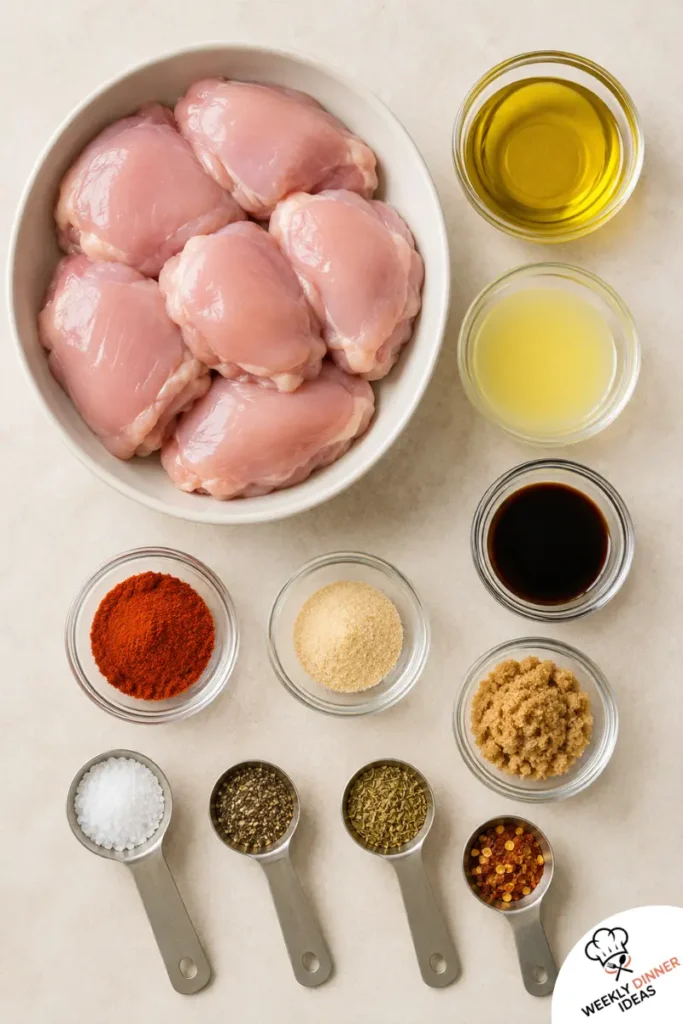
- 2 pounds boneless skinless chicken thighs (about 8–10 small thighs)
- 3 tablespoons extra-virgin olive oil
- 2 tablespoons fresh lemon juice (about 1 lemon)
- 2 tablespoons soy sauce or 1 tablespoon Worcestershire sauce (optional for depth)
- 2 teaspoons smoked paprika
- 1 teaspoon garlic powder or 2 cloves minced garlic
- 1 tablespoon brown sugar or 1 tablespoon honey (optional, encourages caramelization)
- 1 teaspoon kosher salt (adjust to taste)
- 1/2 teaspoon freshly ground black pepper
- 1/2 teaspoon dried oregano or thyme (optional)
- pinch of red pepper flakes (optional, for a little heat)
Role of key ingredients and quality notes:
- Chicken thighs: Choose evenly sized boneless thighs for uniform cooking. Thighs hold more fat, which keeps them moist on the grill.
- Acid (lemon juice): Brightens flavor and slightly tenderizes; avoid long marinating with lots of acid or meat can become mealy — this recipe uses a short 30–90 minute marinade.
- Olive oil: Helps the marinade cling and promotes browning.
- Sugar or honey: Optional, but a little sugar encourages a deep, caramelized crust; reduce or omit if preferred.
- Soy/Worcestershire: Adds savory umami; use if you like a richer backbone.
Tools You Need
- Gas or charcoal grill (or a stovetop grill pan) (paid link)
- Large zip-top bag or shallow dish for marinating (paid link)
- Instant-read thermometer (paid link)
- Tongs (paid link)
- Bowl and whisk or fork for mixing marinade (paid link)
- Plate or baking sheet for resting cooked chicken (paid link)
- Grill brush and high-heat oil for greasing grates (paid link)
Ingredient Substitutions and Additions
Best substitutions
- Chicken thighs: You can use bone-in thighs, but increase cooking time and watch flare-ups. If you prefer white meat, boneless skinless chicken breasts will work — pound thin for even cooking and reduce grill time.
- Olive oil: Use avocado oil or a neutral oil with a high smoke point.
- Lemon juice: Swap with lime juice or 2 tablespoons apple cider vinegar for a different tang profile.
- Brown sugar: Use maple syrup, agave, or omit for a lower-sugar version.
Flavor additions
- Fresh herbs: Add chopped cilantro, parsley, or basil after grilling for brightness.
- Spice punch: Add 1 teaspoon ground cumin or coriander for a warm, earthy note.
- Citrus zest: Stir in 1 teaspoon lemon or orange zest to the marinade for extra brightness.
- Marinade twist: Swap lemon for 1/4 cup yogurt + spices (tandoori style) for a tangy twist — marinate shorter if yogurt-heavy.
Dietary swaps
- Gluten-free: Use gluten-free soy sauce or tamari.
- Low-sugar: Omit brown sugar or honey; increase a little lemon for brightness.
- Low-sodium: Reduce salt and choose low-sodium soy sauce; season after cooking as needed.
How to Make Juicy Grilled Boneless Chicken Thighs
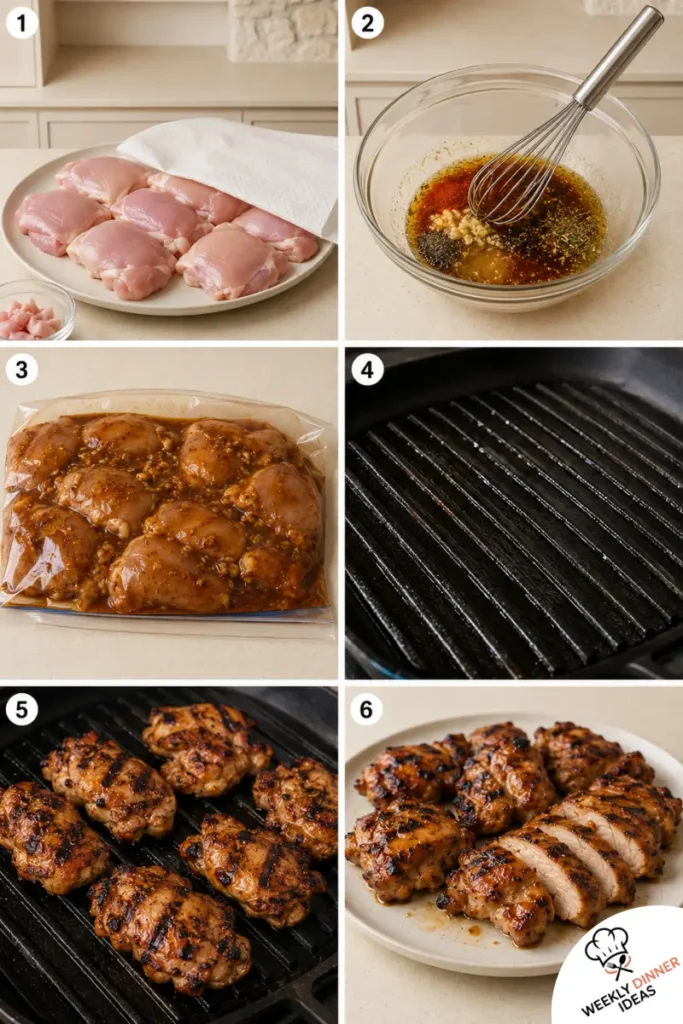
Marinate the thighs briefly, preheat a hot grill, cook them over direct heat until nicely charred and the internal temperature reaches 165°F, then rest 5 minutes before serving for juicy, flavorful results.
Step 1: Trim and pat dry
Pat the chicken thighs dry with paper towels and trim any excess fat. Moisture is the enemy of good sear, and dry meat browns more evenly. If thighs vary widely in size, cut the larger pieces to match the smaller ones so everything cooks at the same pace.
What to look for: The thighs should feel tacky after drying, not wet. This helps the marinade cling.
Practical advice: If you’re short on time, this is where I sometimes halve the thighs thinly so they cook faster. Don’t overdo it — even thickness is what matters.
Step 2: Make the marinade
In a bowl whisk together olive oil, lemon juice, garlic, smoked paprika, brown sugar (or honey, optional), soy sauce (if using), salt, pepper, and oregano. The oil carries flavor and helps with browning; the acid brightens the meat.
What to look for: The mixture should be emulsified and balanced — not too watery. If using minced garlic, let it sit a minute so it softens into the oil.
Practical advice: Taste a small amount on a spoon: it should be flavorful but not overly salty. Adjust salt and lemon if needed.
Step 3: Marinate the chicken
Place thighs in a zip-top bag or shallow dish and pour the marinade over them. Turn to coat, press out excess air, and seal. Marinate in the refrigerator for 30 minutes up to 2 hours.
What to look for: After marinating, the thighs should be evenly coated.
Practical advice: I avoid marinating longer than 2 hours with citrus-based mixtures for thighs; they don’t need long because dark meat absorbs flavor quickly. If you marinate overnight, reduce the lemon and salt.
Step 4: Preheat and prepare the grill
Preheat your grill to medium-high (about 400–450°F). Scrape and oil the grates: a clean, well-oiled grate reduces sticking and encourages grill marks.
What to look for: The grates should be smoking slightly when hot and will sizzle when a drop of water dances across them.
Practical advice: Fold a paper towel, dip in oil, and use tongs to rub across the grates — this prevents sticking and makes flipping easier.
Step 5: Grill the thighs
Place the thighs on the hot grill, spaced evenly. Cook without moving for about 4–6 minutes, until they develop a nice caramelized crust and release easily from the grates. Flip and cook the other side for 4–6 minutes. Total cook time is typically 10–14 minutes depending on thickness and heat.
What to look for: Look for a deep golden-brown color and slight charring at the edges; juices should run clear when pierced. The safe internal temperature is 165°F; use an instant-read thermometer placed in the thickest part.
Practical advice: If flare-ups occur from dripping fat, move the thighs to cooler part of the grill briefly. For extra char, finish with 30–60 seconds per side over direct high heat, but watch carefully to avoid burning.
Step 6: Rest the chicken
Transfer the cooked thighs to a plate or baking sheet and tent loosely with foil for 5 minutes. Resting lets the juices redistribute so you get moist meat.
What to look for: After resting the thighs should feel springy and juicy; when sliced the center will be uniformly colored and moist.
Practical advice: Use the resting time to toss a quick salad, warm tortillas, or finish a sauce.
Step 7: Slice and serve
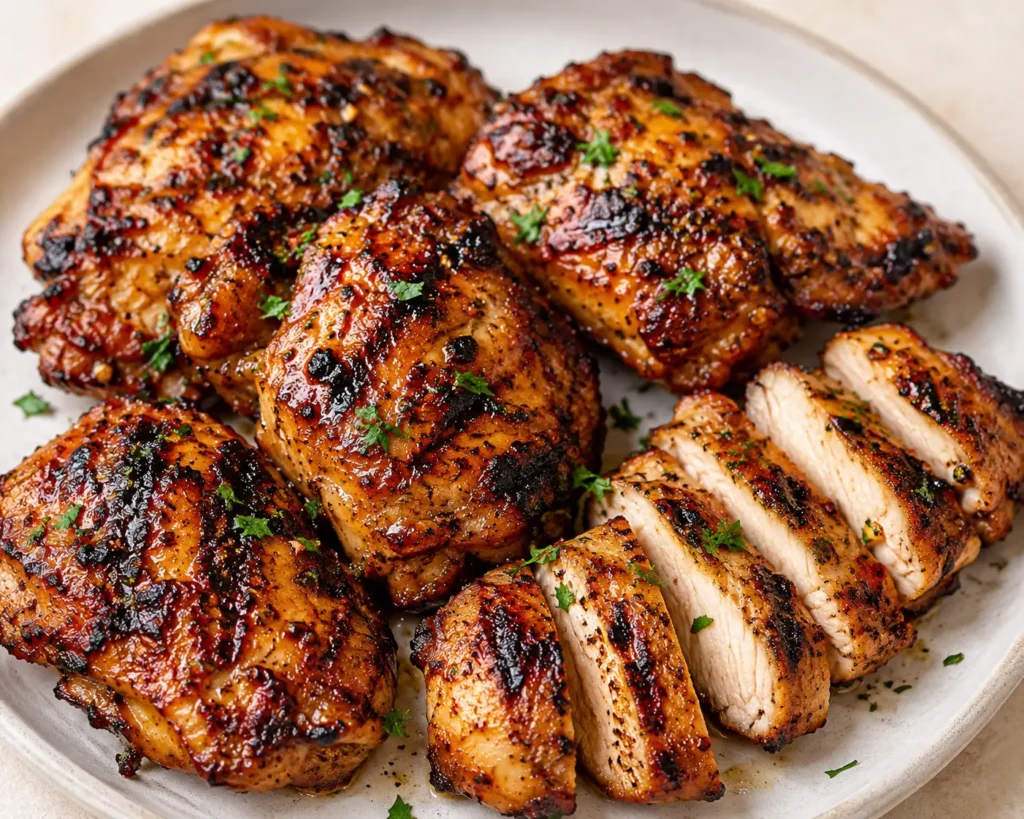
Slice across the grain for the most tender bites. Serve hot with your chosen sides, or cool the thighs and slice for salads and sandwiches.
What to look for: Sliced thighs should show a slight blush of pink in the center sometimes — this is okay in dark meat as long as the temperature reached 165°F. The texture should be silky, not stringy.
Practical advice: Leftovers are great chilled in a grain bowl or reheated gently on a skillet with a splash of water to keep them moist.
Pro Tips for the Best Juicy Grilled Boneless Chicken Thighs
Preheat well, don’t over-marinate, monitor internal temperature, and rest before slicing.
- Don’t over-marinate: With citrus in the mix, 30–90 minutes is plenty. Too long can break down texture.
- Pat dry before grilling: Dry surface leads to better sear and fewer flare-ups.
- Use an instant-read thermometer: Color is helpful but temperature is reliable — aim for 165°F.
- Avoid overcrowding: Give thighs space on the grill so heat circulates and you get even caramelization.
- Manage flare-ups: Keep a cooler zone on the grill or move pieces if flames flare. Trim very large fat deposits beforehand.
- Double the batch: Grill in batches and keep finished thighs on a warm sheet in a 200°F oven if serving many people.
- Make-ahead tip: Marinate up to 2 hours ahead, or prep marinade and refrigerate separately up to 24 hours then combine an hour before grilling.
- Reheat gently: Use a low oven or skillet with a lid and a touch of broth to avoid drying leftovers.
What to Serve with Juicy Grilled Boneless Chicken Thighs
These thighs are versatile. Serve them with a bright, crunchy salad, fluffy rice, or tucked into warm tortillas with tangy slaw.
- For a fresh, healthy plate try pairing with recipes from our Healthy Dinner Recipes category like a crisp salad or roasted vegetables.
- If you want a full chicken-centric menu, browse our Chicken Recipes collection for more ideas and sides.
- Short on time? Combine the thighs with quick sides from our Quick Weeknight Dinners page for a full meal in minutes.
- Need a one-pan solution? These thighs work beautifully alongside roasted potatoes and veggies from our One-Pan & Sheet Pan Meals section.
Some specific pairing ideas:
- Lemon-herb orzo and charred green beans
- Cilantro-lime rice and a simple black bean salad
- Warm pita, tzatziki, chopped cucumber, and tomato
- Creamy mashed potatoes and roasted carrots
Storage, Freezing, and Reheating
Store cooked chicken thighs in an airtight container in the refrigerator for 3–4 days, or freeze for up to 2–3 months. Reheat gently in a 300°F oven covered with foil until warmed through, or slice and warm briefly in a skillet with a splash of broth to keep them moist.
Fridge storage: Cool to room temperature (no more than 2 hours out), then refrigerate in shallow containers to chill quickly.
Freezer storage: Wrap tightly in plastic wrap and place in a freezer bag or airtight container. Label with date and reheat from frozen by thawing overnight in the fridge first for best texture.
Reheating tips: Avoid nuking from cold as microwave can dry thighs. Low oven or skillet with a lid maintains juiciness. Expect a slight loss in surface crispness; re-crisp in a hot skillet if desired.
About This Recipe and Why It Works
I come back to this recipe because it’s honest and forgiving — qualities I value in the home kitchen. As someone who trained in professional kitchens, I learned that the best weeknight dishes balance reliable technique with flavors you can tweak. Boneless thighs are naturally more forgiving than breasts; the extra fat gives you a margin for error when grilling, which is especially helpful if your grill runs hot or you’re juggling sides.
The marinade uses oil for browning, acid for brightness, and a touch of sugar to promote caramelization. Cooking over direct heat gives you that characteristic grilled char while the short rest ensures the juices settle back into the meat. I’ve taught busy families to take these small steps and they consistently turn out well — which is why I share them here on Weekly Dinner Ideas: to help you feel confident at your own grill.
This recipe reflects my kitchen philosophy: treat good ingredients with simple, purposeful technique. Give the thighs space on the grill, don’t rush the rest, and trust a thermometer. The result is an every-night meal that feels intentional and tastes like summer memories.
Frequently Asked Questions
Can I use bone-in chicken thighs instead?
Yes. Bone-in thighs work well but need longer cook time — typically 20–30 minutes over medium heat depending on size. Start over indirect heat, then finish over direct heat for a crisp exterior. Always check for 165°F at the thickest point near the bone. If needed: Move large pieces to a cooler area of the grill if they’re charring too quickly.
How long should I marinate the thighs?
Marinate for 30 minutes to 2 hours for best flavor absorption without texture change. Because thighs are dark meat, they take on flavor quickly. If you must marinate overnight, reduce the lemon in the recipe by half to prevent the meat from developing a slightly mushy texture.
How can I tell when the chicken is done without a thermometer?
While an instant-read thermometer is best, look for clear juices when pricked, a firm yet springy texture, and a deep caramel color on the outside. Slicing one larger piece to check for uniform color can help, but use a thermometer for reliability.
Are these thighs safe if slightly pink inside?
Dark meat can sometimes show a faint pink tone even when fully cooked, especially close to the bone or in larger pieces. If the internal temperature reached 165°F and the juices run clear, it’s safe. For peace of mind, rely on the thermometer.
Can I grill these on a stovetop grill pan?
Absolutely. Preheat the grill pan until it’s smoking hot, oil it lightly, and cook thighs as directed. You’ll get good char and caramelization, though smoke flavor will be less intense than with a charcoal grill.
How long do leftovers last and are they good cold?
Store leftovers in the fridge for 3–4 days. They’re excellent cold in salads and sandwiches. For reheating, warm gently to avoid drying. If freezing, use within 2–3 months.
Can I make this recipe with a sugar-free marinade?
Yes. Omit the brown sugar or honey and add an extra splash of lemon or soy sauce for balance. The chicken will brown a bit less deeply but will still develop good color from the grill.
Final Thoughts
This is one of those recipes that becomes a reliable favorite — quick to prepare, flexible to adapt, and very forgiving on the grill. If you love simple, flavorful chicken that stays juicy, give these Juicy Grilled Boneless Chicken Thighs a try the next time you fire up the grill. For more weeknight inspiration, check out our Chicken Recipes and Quick Weeknight Dinners . If you like one-pan solutions, my One-Pan & Sheet Pan Meals page has terrific side ideas . You can also explore healthy pairings on our Healthy Dinner Recipes page .
I post lots of step-by-step photos and behind-the-scenes ideas over on my Pinterest — I’d love for you to follow along: my Pinterest profile. Please leave a comment to tell me how your batch turned out, rate the recipe, and save it for later. Happy grilling!
Quick Recipe Summary
10–15 minutes (plus 30–120 minutes marinating)
10–14 minutes
40 minutes–2 hours 30 minutes (including marinating)
4–6
Easy
Weeknight dinners, cookouts, meal prep
Smoky, savory, slightly citrus-bright with a hint of sweetness
If you try this recipe, tell me how you seasoned yours differently or what sides you paired with it — I love hearing reader twists. And don’t forget to pin it on Pinterest so you can find it the next time the grill calls.
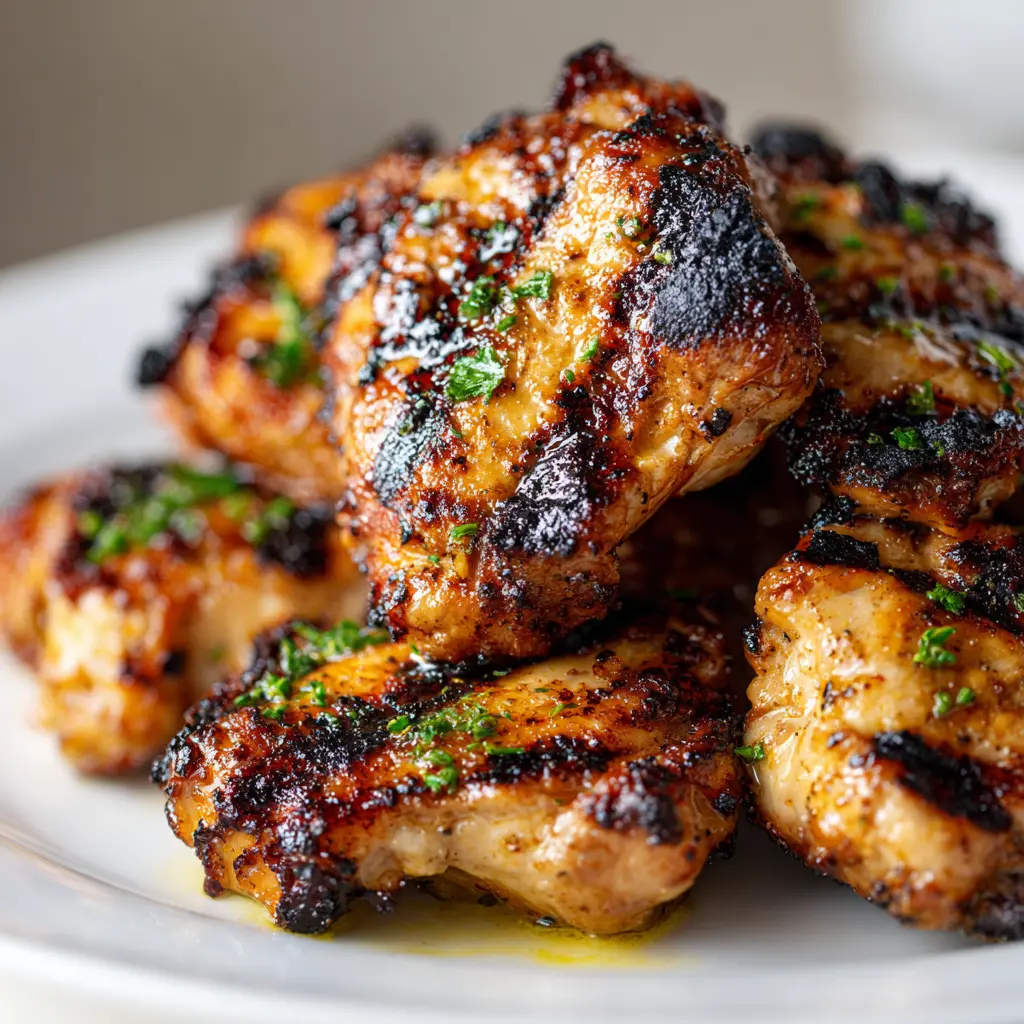

Juicy Grilled Boneless Chicken Thighs
Ingredients
Equipment
Method
- Trim and pat dry. Pat the chicken thighs dry with paper towels and trim any excess fat. If the thighs vary widely in size, cut larger pieces to match the smaller ones so everything cooks evenly.
- Make the marinade. In a bowl, whisk together olive oil, lemon juice, garlic, smoked paprika, brown sugar or honey if using, soy sauce or Worcestershire sauce if using, salt, pepper, oregano or thyme if using, and red pepper flakes if using.
- Marinate the chicken. Place the thighs in a zip-top bag or shallow dish and pour the marinade over them. Turn to coat well, press out excess air if using a bag, and refrigerate for 30 minutes to 2 hours.
- Preheat the grill. Preheat the grill to medium-high heat, about 400–450°F. Scrape the grates clean and oil them lightly with high-heat oil to reduce sticking and encourage grill marks.
- Grill the first side. Place the chicken thighs on the hot grill with space between each piece. Cook without moving for 4–6 minutes, until a caramelized crust forms and the chicken releases easily from the grates.
- Flip and finish cooking. Flip the thighs and grill for another 4–6 minutes, until the chicken reaches 165°F in the thickest part. Total cook time is usually 10–14 minutes depending on thickness and grill heat.
- Rest the chicken. Transfer the cooked thighs to a plate or baking sheet and tent loosely with foil. Rest for 5 minutes so the juices redistribute and the meat stays moist.
- Slice and serve. Slice across the grain for the most tender bites. Serve hot with rice, salad, tortillas, roasted vegetables, or your favorite sides.
Notes

Elizabeth Morgan
Easy & Delicious Recipes
Follow for quick family-friendly recipes, baking inspiration, and comfort food favorites.
Follow on Pinterest