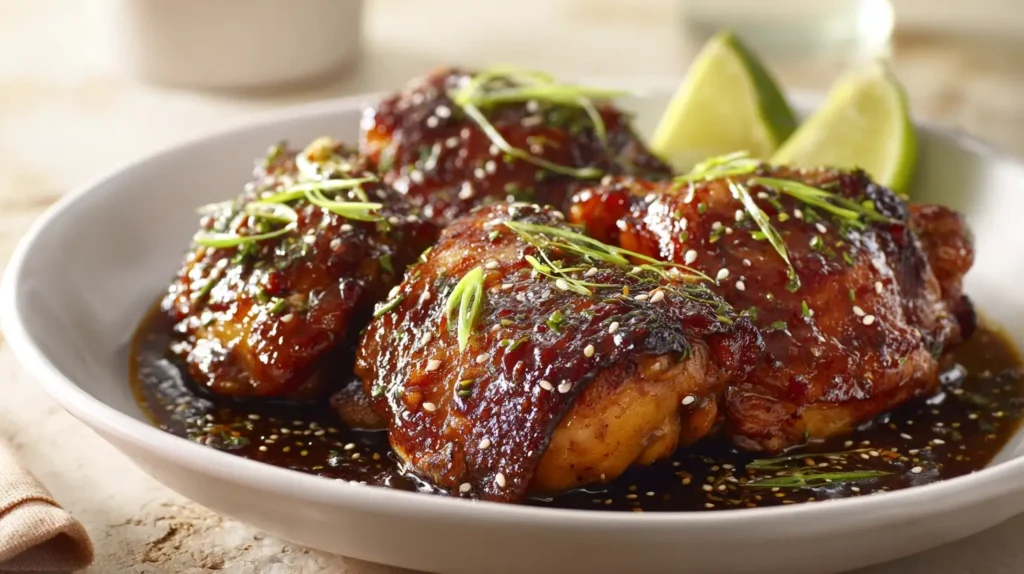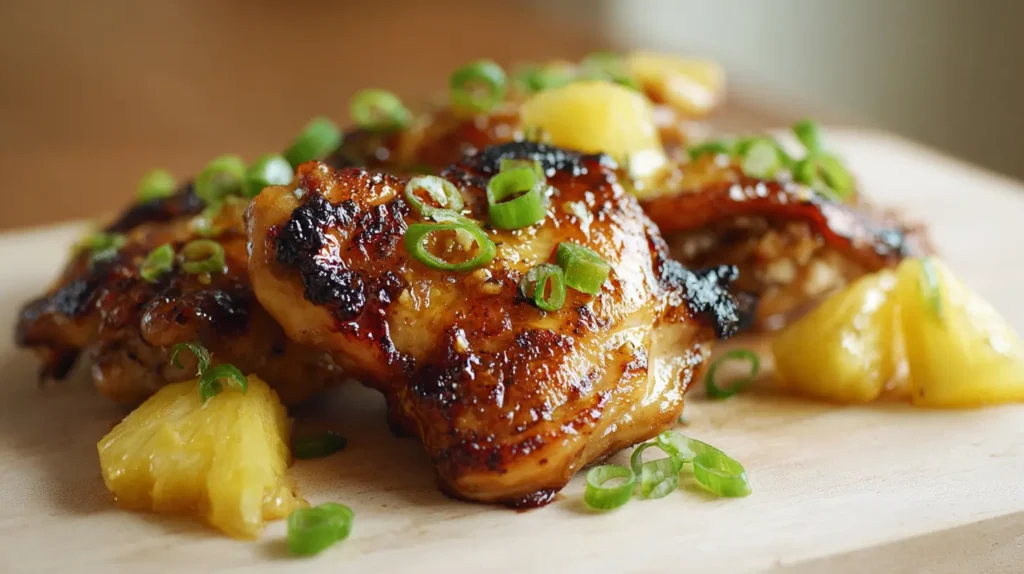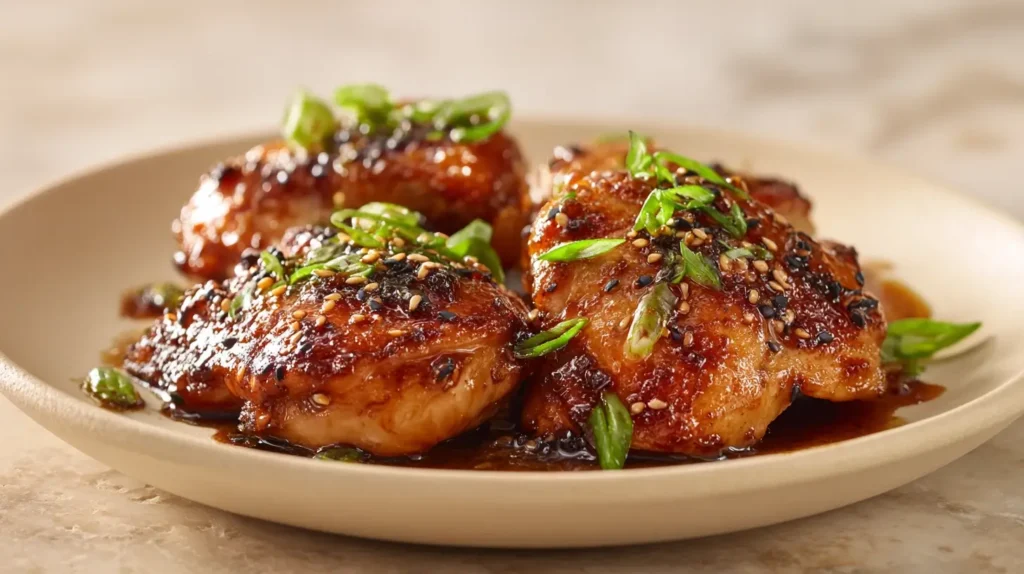
Discover the Ultimate Huli Huli Chicken Thighs for Irresistible Flavors
- Chicken Recipes
 Elizabeth
- 0
- 47 minutes read
I love a recipe that transports you: one bite of these Huli Huli Chicken Thighs and you’ll catch a little island breeze—sweet pineapple, warm ginger, and sticky caramelized edges. Huli Huli Chicken Thighs are a weeknight-friendly way to get that Hawaiian barbecue vibe at home without needing a backyard smoker. As a professionally trained chef who cooks for a busy family, I’ve dialed this version so it’s flavorful, forgiving, and easy enough to make on a school-night. Let’s get into why these thighs work so well and how to make them sing.
Why You’ll Love These Huli Huli Chicken Thighs
These Huli Huli Chicken Thighs are a sticky, tangy, slightly sweet grilled-style chicken that’s quick to make and loved by kids and adults alike.
You’ll love this recipe because it balances bright pineapple and tangy soy with a brown sugar caramel that hugs each thigh. The skin crisps and turns glossy while the meat stays juicy thanks to bone-in, skin-on thighs. It’s convenient—marinate ahead for hands-off flavor—and versatile enough for weeknight dinners, meal prep, or a backyard cookout.
- Flavor: tropical, savory, slightly sweet, and ginger-bright
- Texture: crispy skin, tender meat, sticky glaze
- Convenience: simple ingredients, marinade doubles as glaze
- Family appeal: crowd-pleasing and kid-friendly without being overly sweet
- Seasonal fit: great year-round; especially nice in summer with fresh pineapple
- Meal-prep value: reheats well for lunches or slices cold on salads
- Dietary flexibility: gluten-free with tamari; swap brown sugar for coconut sugar for alternative sweetness
What Is Huli Huli Chicken Thighs?
Huli Huli Chicken Thighs are bone-in, skin-on chicken thighs marinated in a Hawaiian-inspired sauce made with pineapple, soy, brown sugar, ginger, and garlic, then grilled or roasted until caramelized and sticky.
Traditionally, “huli huli” refers to chicken cooked over an open flame and turned (huli means “turn” in Hawaiian). The modern home version keeps that charred, sweet-savory glaze but uses easy kitchen methods. Expect a glossy, slightly charred exterior and a juicy, flavorful interior—perfect over rice, alongside greens, or stuffed into tacos.
Ingredients You’ll Need
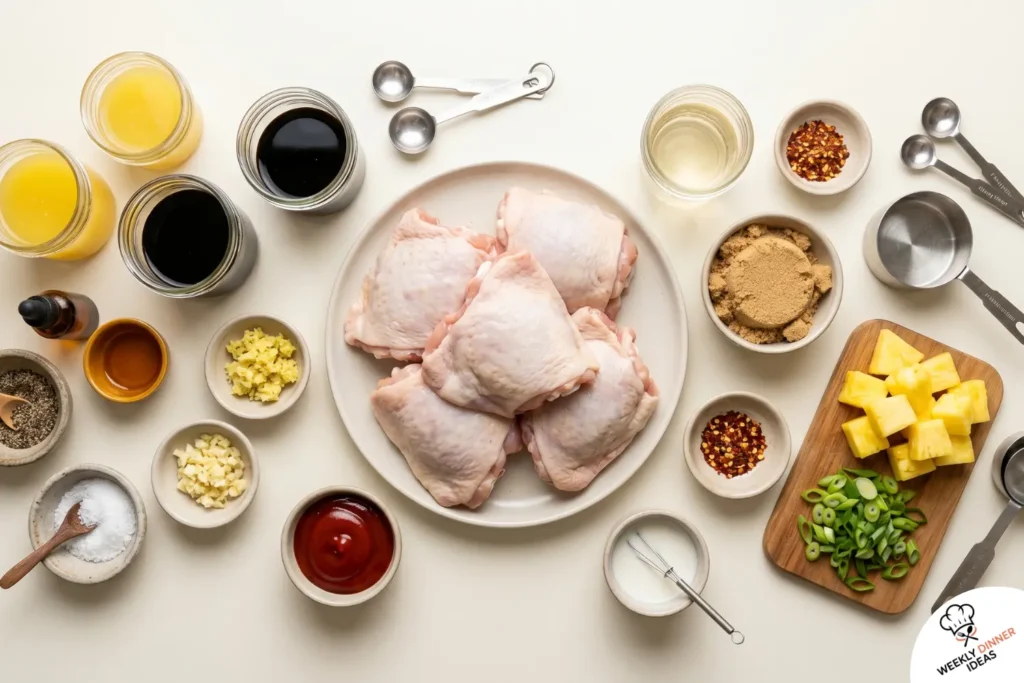
- 8 bone-in, skin-on chicken thighs (about 3–4 pounds)
- 1 cup pineapple juice (not from concentrate)
- 1/2 cup low-sodium soy sauce (or tamari for gluten-free)
- 1/4 cup ketchup
- 1/4 cup brown sugar, packed
- 2 tablespoons rice vinegar (or apple cider vinegar)
- 2 tablespoons grated fresh ginger (about 1½ inches)
- 3 cloves garlic, minced
- 1 tablespoon sesame oil (optional but adds depth)
- 1/2 teaspoon kosher salt (adjust if using regular soy sauce)
- 1/4 teaspoon freshly ground black pepper
- 1 tablespoon cornstarch mixed with 1 tablespoon water (optional, for thickening glaze)
- 1/2 teaspoon red pepper flakes or a dash of Sriracha (optional for heat)
- Fresh pineapple chunks or sliced green onions for garnish (optional)
Notes on key ingredients:
- Pineapple juice provides the signature sweetness and acidity—choose 100% juice for best flavor.
- Low-sodium soy keeps the glaze from becoming too salty; if you use regular soy sauce, reduce added salt.
- Brown sugar helps the glaze caramelize; molasses-rich dark brown sugar gives a deeper flavor.
- Fresh ginger and garlic really lift the sauce—avoid powdered forms if you can.
Tools You Need
- Large mixing bowl or a zip-top plastic bag for marinating (paid link)
- Whisk or fork (paid link)
- Small saucepan (for reducing the marinade to a glaze) (paid link)
- Wire rack and baking sheet (if finishing in the oven) (paid link)
- Instant-read thermometer (paid link)
- Tongs (paid link)
- Grill or oven with broiler (paid link)
- Basting brush (paid link)
Ingredient Substitutions and Additions
Best substitutions
- Tamari for soy sauce to make the recipe gluten-free.
- Coconut sugar instead of brown sugar for a slightly different caramel note.
- Pineapple chunks (drained) can be added to the pan for roasting; canned pineapple works if fresh isn’t available.
Flavor additions
- 1–2 tablespoons toasted sesame seeds for garnish.
- 1 tablespoon fish sauce added to the marinade for an umami boost.
- Swap ketchup for tomato paste plus 1 tablespoon honey for a less tangy glaze.
- Add finely chopped cilantro or basil for a fresh finish.
Dietary swaps
- For low-sugar: reduce brown sugar to 2 tablespoons and increase pineapple juice acidity with a splash more vinegar.
- For lower sodium: use low-sodium soy/tamari and omit added salt.
- To make it paleo: replace soy with coconut aminos and brown sugar with coconut sugar.
How to Make Huli Huli Chicken Thighs
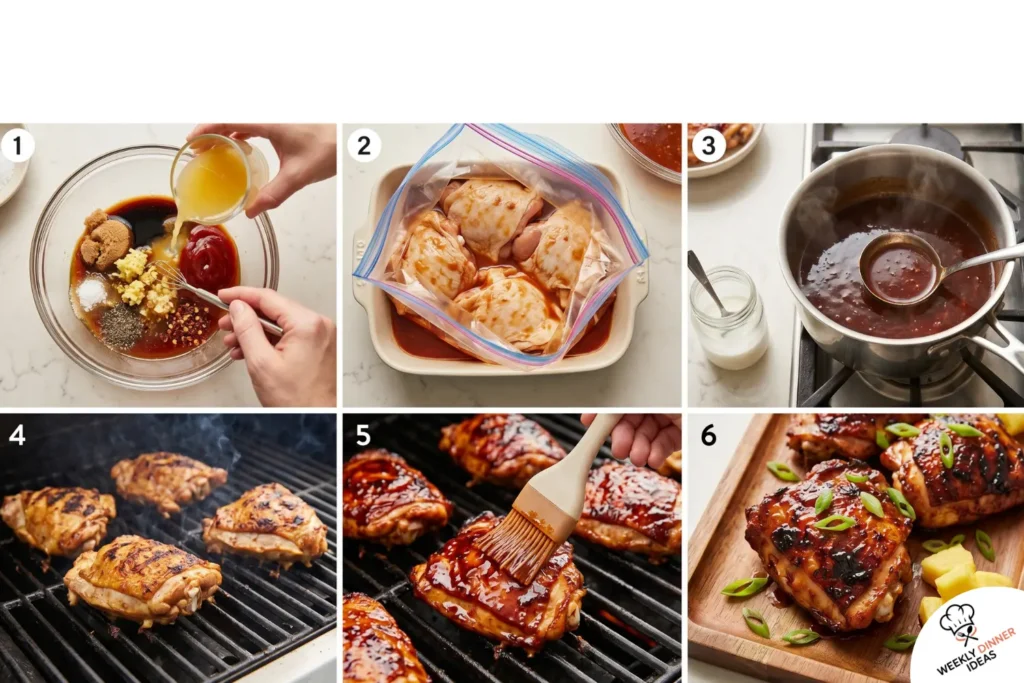
This recipe starts with a simple, bright marinade that doubles as a basting glaze after a quick simmer. Marinate at least a few hours and finish on a hot grill or under the broiler for those caramelized edges.
Step 1: Make the marinade
In a mixing bowl, whisk together pineapple juice, soy sauce, ketchup, brown sugar, rice vinegar, grated ginger, minced garlic, sesame oil, salt, and pepper. Taste the marinade—aim for a balance of sweet, salty, and a touch of acidity. If it’s too sweet, add a splash more vinegar; if too salty, add a little more pineapple juice.
What to look for:
- The mixture should taste like an intensified version of your ideal glaze—bright pineapple, sweet brown sugar, and savory soy.
- Fresh ginger should be noticeable but not overpowering.
Practical tip:
- Reserve 1 cup of the marinade before adding raw chicken to simmer into a glaze. Never brush raw marinade on finished chicken unless you’ve boiled it first.
Step 2: Marinate the chicken
Place chicken thighs in a large zip-top bag or shallow dish. Pour the marinade over the chicken, pressing out excess air from the bag and massaging to coat each piece. Refrigerate for at least 2 hours and up to overnight.
What to look for:
- The thighs should sit in an even layer with the marinade coating every surface.
- Marinating longer will deepen flavor and tenderize slightly.
Practical tip:
- If short on time, even 30–60 minutes will add flavor, but overnight gives the best edge-to-center flavor penetration.
Step 3: Reduce the reserved marinade to a glaze
Pour the reserved cup of marinade into a small saucepan. Bring to a simmer over medium heat and cook for 5–8 minutes until slightly thickened and glossy. If you want it thicker, stir in the cornstarch slurry and simmer until the sauce coats the back of a spoon.
What to look for:
- The glaze should cling to a spoon and not be watery.
- Smell for bright pineapple and warm brown sugar aromas.
Practical tip:
- Keep the glaze warm and covered until ready to baste; it thickens as it cools.
Step 4: Grill or roast the chicken
Grill method (preferred for char):
- Preheat grill to medium-high (about 400–450°F).
- Oil grates lightly to prevent sticking.
- Place thighs skin-side down and cook 6–8 minutes until skin begins to crisp and char in spots.
- Flip, brush with glaze, and continue cooking 5–7 minutes. Baste again and cook until internal temperature reaches 165°F (about 10–14 minutes total depending on thigh size).
Oven/broiler method (great if you don’t have a grill):
- Preheat oven to 425°F. Arrange thighs skin-side up on a wire rack over a baking sheet.
- Roast for 20–25 minutes uncovered, until skin starts to brown.
- Switch to broil on high for 2–4 minutes, watching closely, and brush with glaze once or twice before broiling to get that sticky caramelization.
- Use an instant-read thermometer to confirm 165°F.
What to look for:
- Skin should be deep golden-brown with blistered spots and the glaze should be tacky, not soupy.
- Juices run clear and thermometer reads 165°F at the thickest part (not touching bone).
Practical tip:
- Do not constantly baste; a couple of glaze applications in the final minutes gives the best sticky finish without burning the sugars.
Step 5: Rest and serve
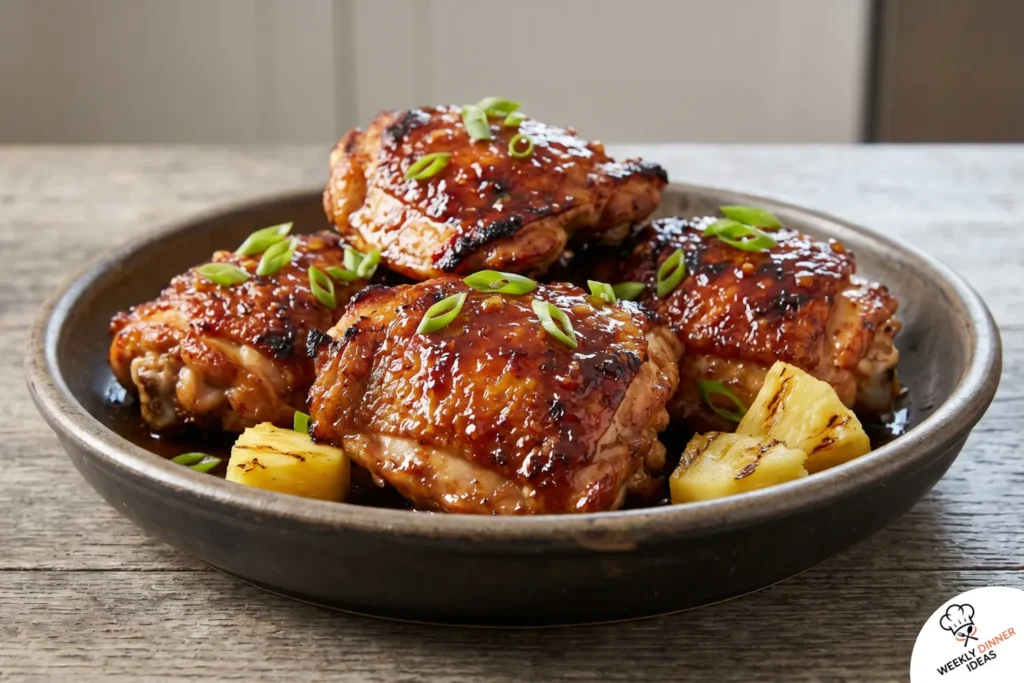
Allow chicken to rest for 5–7 minutes after cooking. This lets juices redistribute and the glaze set. Garnish with sliced green onions, pineapple chunks, or toasted sesame seeds.
What to look for:
- The skin should still feel slightly tacky but set, not wet.
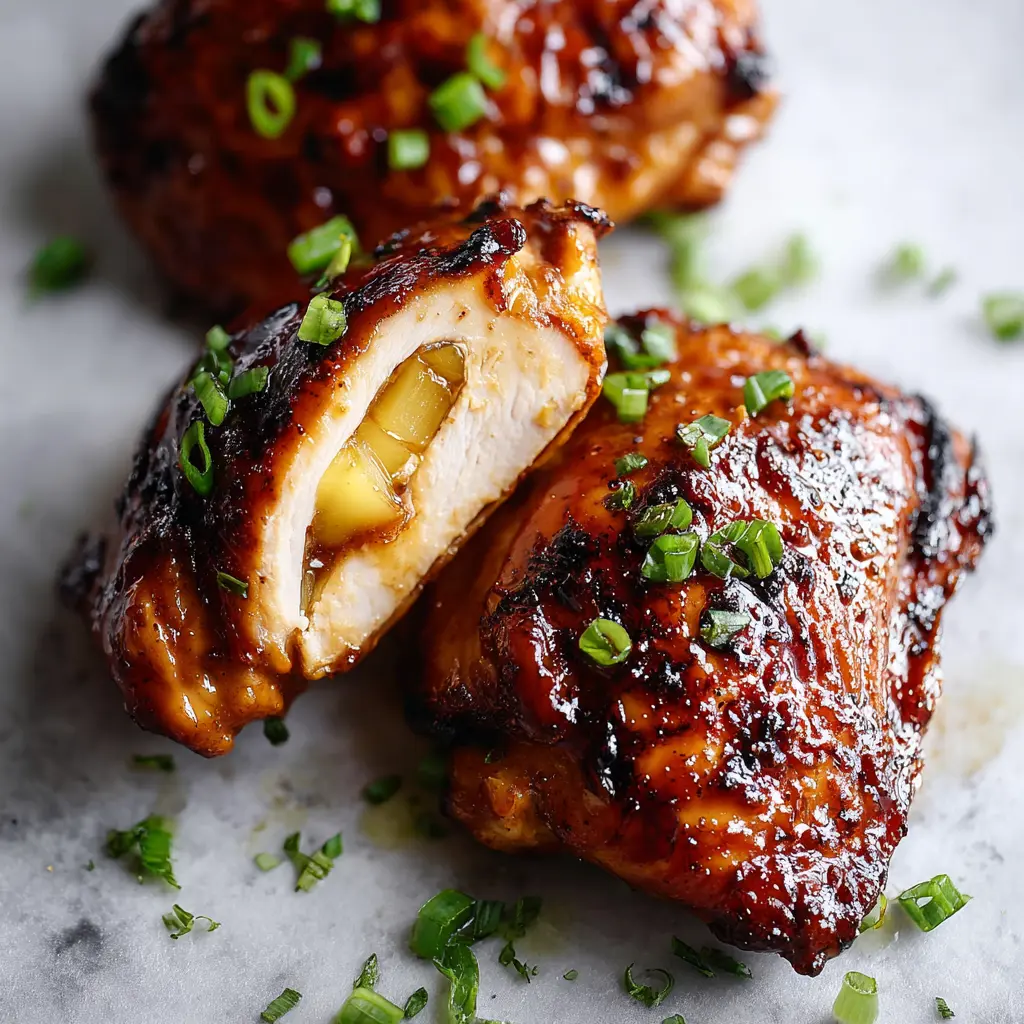
- Meat should pull easily from the bone and be moist.
Practical tip:
- Slice thighs and serve with pan juices spooned over rice, or shred for tacos or lunch bowls.
Pro Tips for the Best Huli Huli Chicken Thighs
Start with this: a quick answer—marinate for flavor, cook on high heat for caramelized skin, and simmer reserved marinade into a glaze to safely baste.
1. Use bone-in, skin-on thighs: they stay juicier and get that satisfying crisp skin.
2. Reserve and simmer marinade: always boil the reserved marinade 5–8 minutes before basting to kill any raw chicken bacteria.
3. High heat finish: finish on a hot grill or under a broiler for caramelized sugars—watch closely to avoid burning.
4. Don’t overcrowd the grill/oven: give each thigh room so the skin crisps instead of steams.
5. Check doneness with a thermometer: 165°F at the thickest point is your target—avoid guessing.
6. Make multiple batches of glaze if doubling: sugars burn quickly, so keep fresh glaze ready when cooking more.
7. Make-ahead marinade: you can marinate overnight in the fridge; remove thighs 20 minutes before cooking to remove chill.
8. Leftover ideas: slice cold for sandwiches, toss shredded into fried rice, or reheat gently in a skillet with a splash of water to loosen the glaze.
What to Serve with Huli Huli Chicken Thighs
These thighs pair beautifully with simple sides that soak up the glaze. Try them with steamed jasmine rice and a crisp cucumber salad for a classic combo, or serve alongside grilled corn and a slaw for summer dinners. For easy weeknight pairings, check my collection of quick weeknight dinners and simple chicken ideas in the chicken recipes section.
- Classic: steamed rice and mac salad (for a Hawaiian plate feel).
- Lighter: charred broccolini or a tangy cabbage slaw with rice vinegar.
- For a sheet-pan meal: roast pineapple and bell peppers alongside thighs—see my one-pan sheet pan meals for inspiration.
- For healthier sides: pair with my healthy dinner recipes like grilled vegetable bowls or cauliflower rice.
- Family-friendly: serve with roasted sweet potatoes and a simple green salad.
Storage, Freezing, and Reheating
Store cooked Huli Huli Chicken Thighs in the refrigerator for 3–4 days in an airtight container. Freeze cooked pieces for up to 3 months; thaw overnight in the fridge before reheating.
To reheat and preserve texture: warm gently in a 350°F oven on a wire rack over a baking sheet for 10–12 minutes until just warmed through, or reheat in a skillet over medium-low heat with a splash of water and a lid to steam gently, then finish uncovered to re-crisp the skin. Microwave reheating will work for convenience but may soften the skin.
Note on texture:
- Reheated thighs won’t be quite as crisp as freshly grilled, but a quick oven finish restores some of the original texture.
About This Recipe and Why It Works
I grew up cooking with my dad outdoors, turning chickens on the grill and learning how a good glaze can make ordinary meat sing. This Huli Huli Chicken Thighs recipe matches that memory—simple technique, bold glaze, and fast results. It’s the kind of recipe I bring out when I want something that feels special but doesn’t demand an entire day or a smoker.
Why this version works: the acid in pineapple juice brightens the flavor and tenderizes the meat slightly, while brown sugar and ketchup create a caramel-friendly base that browns without overpowering. Fresh ginger and garlic give aromatic lift so the sweetness never feels cloying. Bone-in thighs make the dish forgiving—less likely to dry out than breasts—so it’s consistently good whether you’re cooking for a crowd or just a family dinner.
If you enjoy simple, flavor-forward chicken recipes, you might also like browsing my other chicken ideas in the chicken recipes section or pulling together a fast family dinner from the one-pan sheet pan meals collection. These Huli Huli thighs fit right into my kitchen philosophy: accessible techniques, bold flavor, and leftovers that make weeknight lunches feel a little more exciting.
Frequently Asked Questions
Can I use boneless, skinless chicken thighs?
Yes. Boneless, skinless thighs will work and cook faster. Expect them to take 10–15 minutes on the grill or 18–22 minutes at 425°F in the oven. They won’t develop the same crisp skin, so watch cooking times closely and avoid overcooking to keep them tender. If using boneless thighs, reduce marinating time to 1–4 hours for best texture.
How long should I marinate the chicken?
For strong flavor, marinate 4–8 hours or overnight. A minimum of 2 hours will impart noticeable flavor; even 30–60 minutes helps. Acidic marinades can begin to change texture if left too long (over 24 hours), so avoid marinating for more than a day.
Is the reserved marinade safe to use as a glaze?
Only if you boil it first. Simmer the reserved marinade for at least 5–8 minutes to kill any bacteria from raw chicken before using it as a basting glaze. Thicken with a cornstarch slurry if you prefer a thicker glaze.
My glaze is burning—what did I do wrong?
High sugar content caramelizes and can burn quickly. If using direct flame, baste only near the end of cooking and keep the heat moderate. If broiling, watch closely during the last 1–3 minutes. Consider thinner glaze applications and more frequent flipping to prevent burning.
Can I make this gluten-free?
Yes. Substitute tamari or coconut aminos for soy sauce to make the recipe gluten-free. Confirm that your ketchup is gluten-free as some specialty brands use additives.
How do I know when the chicken is done?
Use an instant-read thermometer. The safe internal temperature for chicken is 165°F at the thickest part of the thigh, not touching bone. The juices should run clear and the meat should feel firm but not stiff.
Can I prepare this recipe ahead for a party?
Absolutely. Marinate the chicken the day before and keep it refrigerated. On the day of serving, bring the chicken to near room temperature for 20 minutes before cooking, then grill and finish with warm glaze. You can also cook the thighs ahead and reheat gently just before guests arrive.
Final Thoughts
These Huli Huli Chicken Thighs are one of those recipes that make weeknight dinners feel festive. They’re forgiving, flavorful, and easy to adapt to what you have on hand. If you love bold, caramelized glazes and juicy dark meat, this will become a repeat favorite in your rotation.
If you’re planning a full menu, pair them with ideas from my quick weeknight dinners or round out a sheet-pan spread using tips from my one-pan sheet pan meals. For lighter sides and balanced plates, browse the healthy dinner recipes collection.
I’d be thrilled to hear how your batch turns out—leave a comment, rate the recipe, and save it to your boards. And if you like to collect dinner inspiration visually, pin this recipe to my Pinterest for later: Elizabeth on Pinterest.
Quick Recipe Summary
15 minutes (plus 2–12 hours marinating)
20–30 minutes (grill or oven finish)
2 hours 15 minutes (including minimal marinating) — or up to overnight for deeper flavor
4–6 (8 thighs)
Easy
Weeknight dinners, casual get-togethers, meal prep
Sweet, savory, tangy, with ginger and pineapple brightness
Nutrition Information
| Nutrient | Per Serving |
|---|---|
| Calories | Approx. 420 |
| Protein | Approx. 32 g |
| Carbohydrates | Approx. 18 g |
| Dietary Fiber | Approx. 0.5 g |
| Fat | Approx. 26 g |
These values are estimates and will vary based on thigh size, exact ingredient brands, and how much glaze is consumed.
Thanks for cooking with me—I hope these Huli Huli Chicken Thighs become one of your go-to dinners. If you try them, drop a note below so I can celebrate your success and suggest tweaks based on how you like to eat. For more chicken inspiration, don’t forget to visit the chicken recipes page.

Huli Huli Chicken Thighs
Ingredients
Equipment
Method
- Make the marinade. In a mixing bowl, whisk together the pineapple juice, soy sauce, ketchup, brown sugar, rice vinegar, grated ginger, minced garlic, sesame oil if using, kosher salt, black pepper, and red pepper flakes or Sriracha if using. The mixture should taste sweet, salty, tangy, and ginger-bright.
- Reserve glaze. Reserve 1 cup of the marinade before adding raw chicken. Set this reserved marinade aside to simmer into a glaze later.
- Marinate the chicken. Place the chicken thighs in a large zip-top bag or shallow dish. Pour the remaining marinade over the chicken, press out excess air if using a bag, and massage to coat each piece. Refrigerate for at least 2 hours, or up to overnight.
- Reduce the glaze. Pour the reserved marinade into a small saucepan. Bring to a simmer over medium heat and cook for 5–8 minutes, until slightly thickened and glossy. If a thicker glaze is desired, stir in the cornstarch slurry and simmer until the sauce coats the back of a spoon.
- Grill method. Preheat the grill to medium-high heat, about 400–450°F. Lightly oil the grates. Place the thighs skin-side down and cook for 6–8 minutes, until the skin begins to crisp and char in spots. Flip, brush with glaze, and continue cooking for 5–7 minutes. Baste once or twice more near the end of cooking, until the chicken reaches 165°F in the thickest part.
- Oven method. Preheat the oven to 425°F. Arrange the thighs skin-side up on a wire rack over a baking sheet. Roast for 20–25 minutes, until the skin starts to brown. Brush with glaze, then broil on high for 2–4 minutes, watching closely, until the glaze is sticky and caramelized and the chicken reaches 165°F.
- Rest and serve. Let the chicken rest for 5–7 minutes so the juices redistribute and the glaze sets. Garnish with sliced green onions, pineapple chunks, or toasted sesame seeds if desired.
Notes

Elizabeth Morgan
Easy & Delicious Recipes
Follow for quick family-friendly recipes, baking inspiration, and comfort food favorites.
Follow on Pinterest